The [5] signs that actually matter for a safe amusement park
When we talk about safety at amusement parks, the scary part is usually what you cannot see. But one of the best data points says the odds of being seriously injured on a fixed-site ride in the U.S. are 1 in 15.5 million, which tells us the systems work when parks do the basics consistently in 2026.
Key Takeaways
| What to look for (the 5 signs) | Why it matters in 2026 |
|---|---|
| 1) Ride controls and restraints that match the actual ride | If the restraint design, fit checks, and operator steps are tight, the ride experience stays predictable. |
| 2) Daily ride checks that are documented and repeatable | Mechanical failure risk drops when inspections are routine, not improvised. |
| 3) Queue and crowd flow that reduces jostling and slip risk | Better line design and crowd control reduce the “crowd jostle” scenario that can increase forces on people. |
| 4) Staff who intervene early, not after an incident | Fast, calm enforcement of rules (stay seated, secure belongings, follow signage) prevents avoidable injuries. |
| 5) A park that clearly communicates what to do before you ride | Clear pre-ride instructions help guests use restraints and access paths correctly. |
- What should I check first before riding?
- Start with the restraint and operator behavior, because that is where the “actually safe” design meets real-world use in 2026.
- Do queues affect safety as much as rides?
- Yes. If you are packed in, distracted, or rushing, slip and trip risk goes up, and crowd flow matters.
- Where can I find more park info before I go?
- Use our directory starting at vymaps.com to browse amusement parks by location.
1) The restraint and controls that match the ride, every time
The first of The [5] signs that actually matter for a safe amusement park is simple: the ride has to be built for repeatable use. In 2026, we expect parks to treat restraints and control systems like the “last line” that turns design into safety.
Here is what we look for when we arrive. If any of these feel off, we pause and ask staff for help.
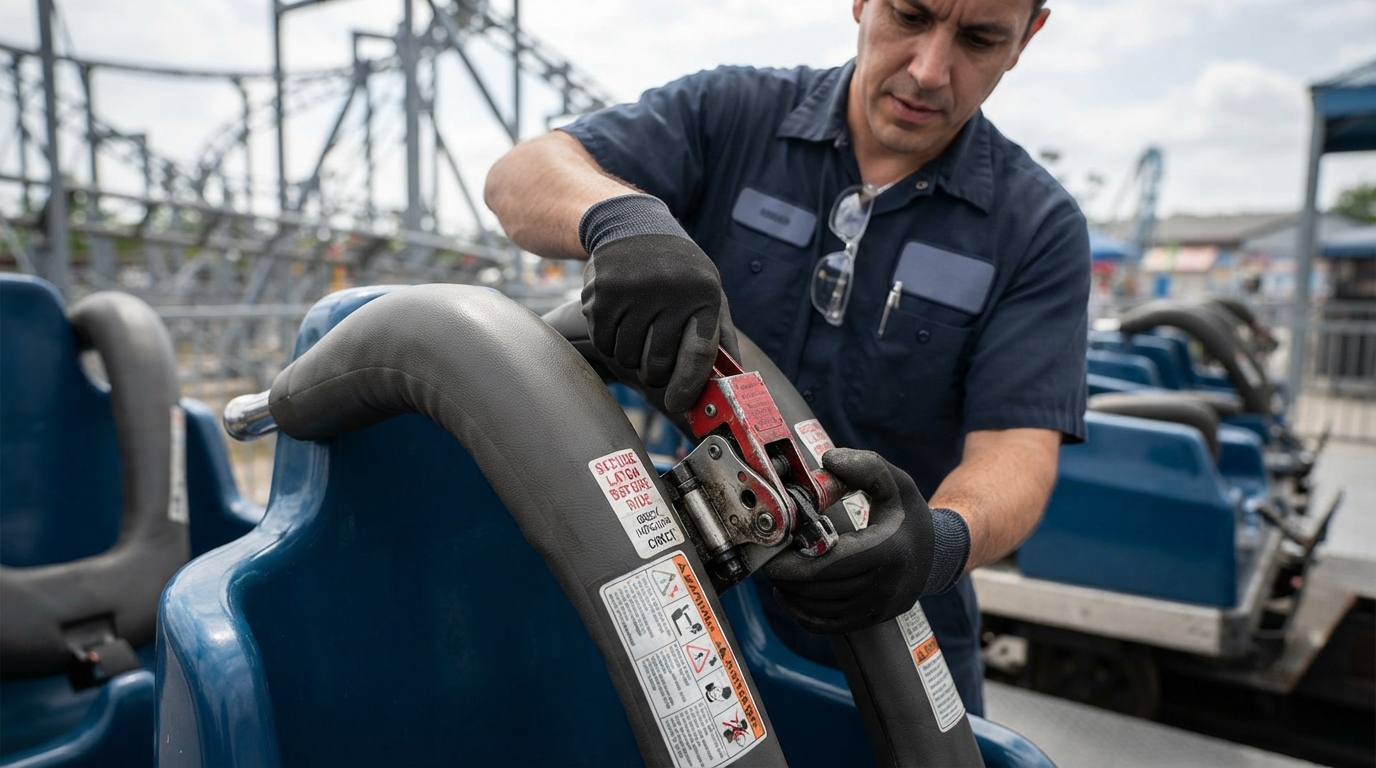
- Restraints that lock, not just “sit.” You should hear or feel a clear, complete engagement. If you can wiggle when you are told you are set, get a staff member.
- Fit checks that are actually performed. Operators should confirm you are positioned correctly, especially for kids and smaller guests.
- Clear hand signals and operator verification. Modern parks train staff to enforce rules consistently, so you are not guessing what “ready” means.
- Seat and access paths without surprises. Slippery steps, clutter, or uncertain entry points can turn a normal ride moment into a preventable fall.
And one quick reality check: it is not only about roller coasters. The forces people experience in everyday moments can be higher than you think, so we recommend taking restraint compliance just as seriously on “gentler” rides. That mindset is one of the quiet drivers behind safe amusement parks in 2026.
2) Ride inspections and mechanical checks that are routine, not rumors
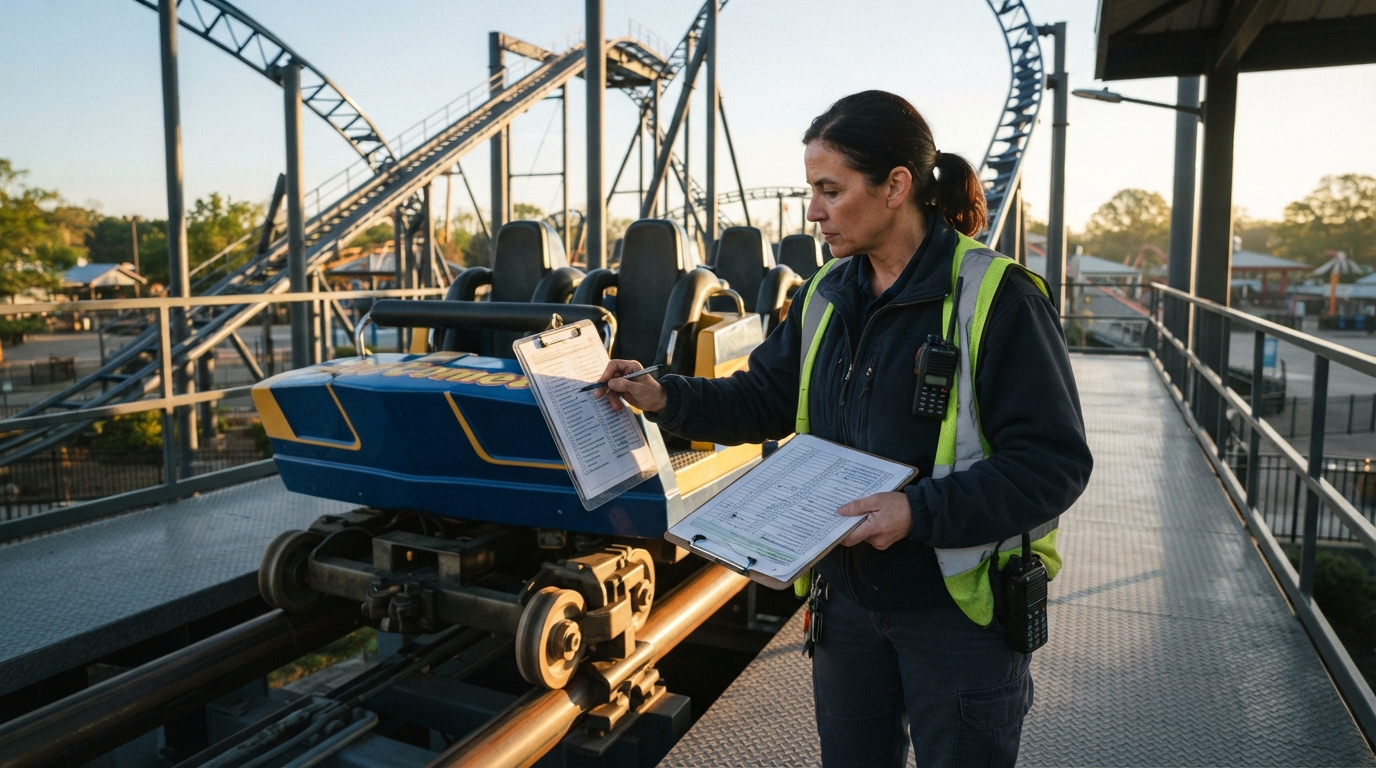
The second sign is what happens before you step on. In our experience, the safest amusement parks treat inspection as a scheduled process, with consistent checklists and clear follow-up when something does not meet standards.
Here is the part many guests miss. Mechanical failure can be a leading contributor to ride injuries, which is why inspections matter as much as ride design. And when inspections are handled reliably, the overall safety performance stays strong across the park.
So what can you, the guest, actually spot?
- Stable operation patterns. If a ride repeatedly pauses for maintenance in random ways, ask staff what is happening. It is okay to verify.
- Missing “out of service” signals. When staff mark rides closed clearly, and reopening includes proper checks, that is a good sign of procedure.
- Operator confidence. Operators who speak and move decisively are usually working within a known inspection and response process.
In 2026, we also pay attention to how parks handle downtime. A safe park does not hide issues, it manages them. When you see rides closed with clear control, that is better than “running it until later.”
3) Queue design and crowd flow that prevent jostling and slips
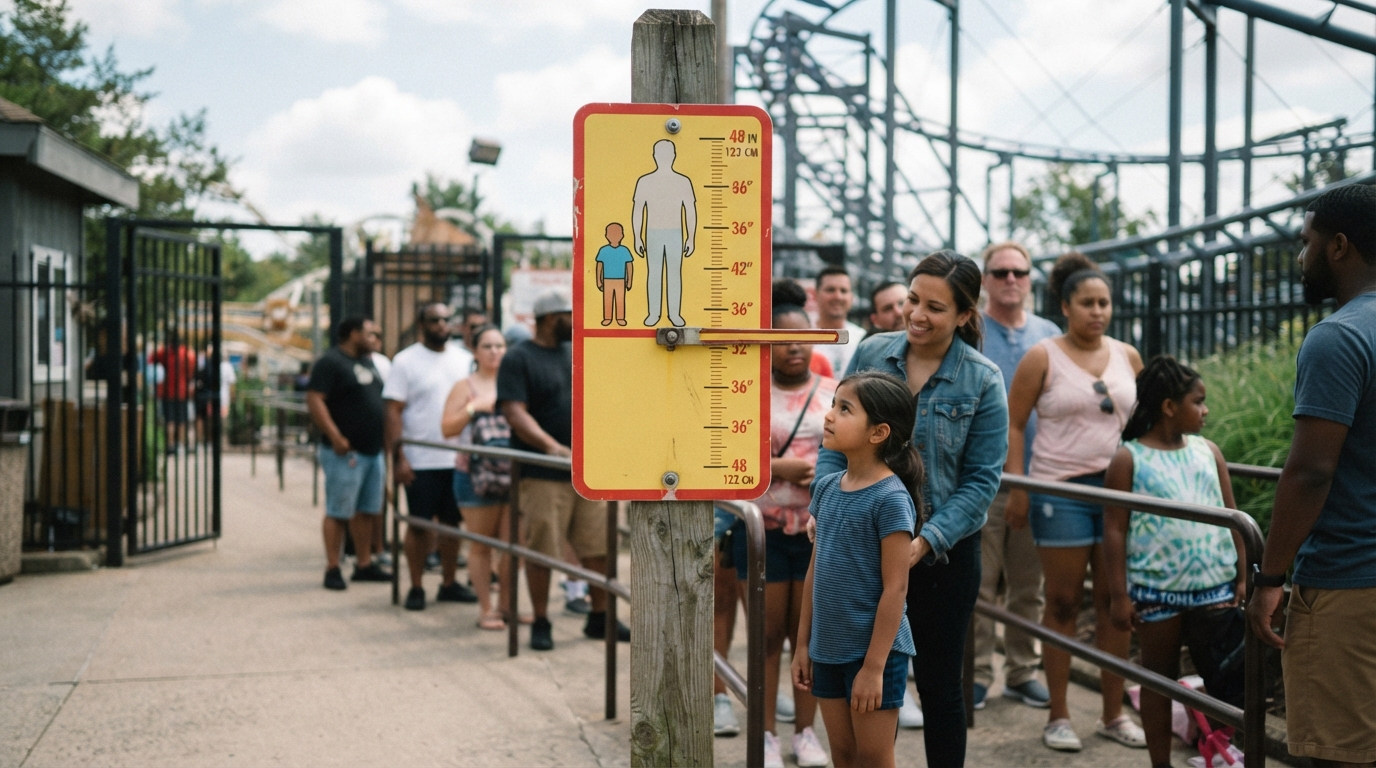
The third of The [5] signs that actually matter for a safe amusement park is the line. Queues are where most people feel relaxed and forget to stay alert, but they are also where crowd density and rushed movement can create problems.
Look for crowd flow practices that keep people from bumping, tripping, or standing in unsafe places while waiting.
- Clear floor markings and controlled entry. You should know where to stand, where to step, and when to move.
- Simple signage that matches what staff is doing. If the sign says “wait here” and the flow ignores it, you should question whether the process is working.
- Staff stationed where the line actually tightens. The best parks put attention where friction happens, not just at the ride exit.
- Smart queue systems that reduce chaotic surges. Faster, calmer distribution through the queue helps people avoid the surge-bump cycle.
We often use one mental benchmark. People can experience forces from everyday “jostle” situations that are comparable to some ride segments, so keeping the crowd orderly is not a “nice-to-have.” It is a genuine safety lever.
If you are traveling with kids or mobility considerations, this is also the moment to choose the right timing. Coming earlier, planning breaks, and keeping your group together reduces pressure and distraction, which improves safety for everyone.
4) Operators and staff who enforce the rules without drama
We treat the fourth sign as a leadership test. The best amusement parks in 2026 do not rely on guest instincts to stay safe. They rely on staff to correct behavior early, clearly, and consistently.
When staff are trained properly, you see the same pattern across rides:
- They explain the basics fast. “Keep your hands inside,” “follow the restraint fit instructions,” and “hold the bar as directed” are delivered without confusion.
- They watch for incomplete readiness. If a restraint is not secure, they stop the launch. If someone is not seated correctly, they pause.
- They handle noncompliance with calm intervention. No shaming, no yelling. Just clear correction.
- They manage special situations. That includes guests who need extra help, sensory considerations, or groups with mixed heights.
If you ever feel that staff are ignoring rules, or they are rushing instead of verifying, that is a practical red flag. For us, that is not a minor annoyance, it is exactly what The [5] signs that actually matter for a safe amusement park is about.
5) Pre-ride communication that prepares guests to use safety features correctly
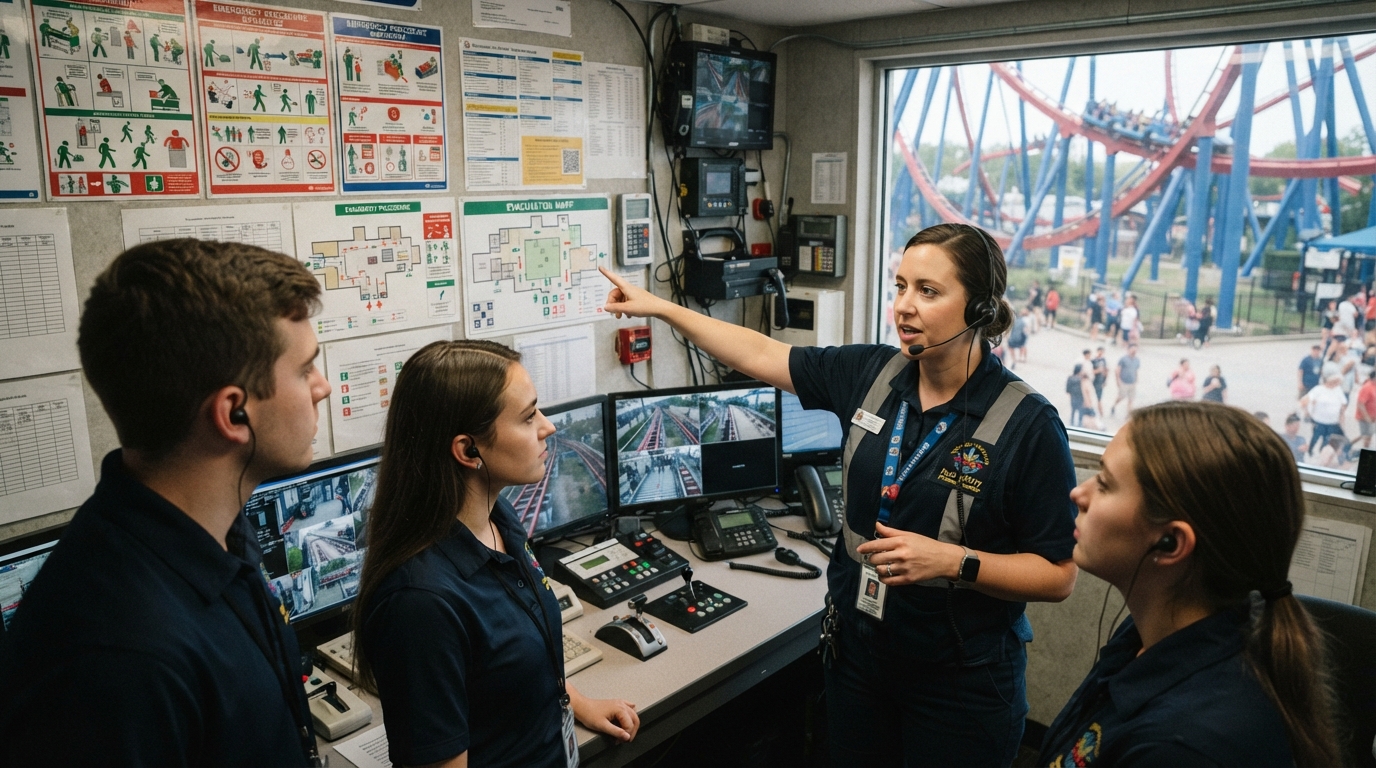
The fifth sign is what guests can actually read and understand before the ride starts. Safety messaging is not just legal padding. It is how a park gets the right behavior from thousands of different guests, across different heights, different abilities, and different comfort levels.
In 2026, we look for communication that is specific, visible, and aligned with what operators do. That usually shows up in a few ways:
- Instruction that matches the ride type. Some rides require strict hand placement, others require a particular posture. Generic instructions are not enough.
- Clear “do not ride” guidance. If the park communicates contraindications and what to do instead, it signals a mature safety approach.
- Consistent reminders throughout the experience. You should see the rules in the queue, at the loading area, and just before dispatch.
- Staff reinforcement of the same points. When signage says one thing and staff says another, the system is not coherent.
It is also worth remembering scale. A park can handle extraordinary numbers of riders safely because systems are built to repeat, verify, and correct. When you understand that, safety stops feeling like luck and starts feeling like process.
What “good safety” looks like in real day-to-day amusement parks
Now let’s put The [5] signs that actually matter for a safe amusement park into a simple on-the-ground checklist. When we review a day’s operations, we want to see consistent behavior across rides, not one “good” moment.
| Moment in your visit | Green sign | What to do if it feels off |
|---|---|---|
| Loading and restraint fit | Staff verify readiness before dispatch. | Ask for help before the ride starts. |
| Queue movement | You can stand where staff direct you, and lines move predictably. | Stay behind markers, keep your group together. |
| Ride pauses and resets | Clear, calm communication and normal restart procedures. | Follow staff directions, do not push barriers. |
| Guest behavior and enforcement | Staff correct early, consistently, and respectfully. | If instructions are unclear, ask before riding. |
For planning, we also recommend using our directory to find the right amusement park location details. Start with amusement parks in the U.S., then move through the country pages that match your trip plans.
How to use these 5 signs without overthinking it
We know safety talk can feel heavy, but The [5] signs that actually matter for a safe amusement park should be practical. Your goal is not to become an engineer, it is to notice whether the park is running the core safety process the way it should.
Here is our simple approach:
- Watch the restraint moment. If the fit check is real, you are already ahead.
- Check the queue. If lines are chaotic and people are constantly tripping or rushing, choose a less crowded time or a different ride.
- Listen to staff. Clear rules, calm enforcement, and consistent instructions usually signal solid operations.
- If something feels wrong, ask. In 2026, good staff would rather answer a question than fix a preventable problem later.
That is how you keep the fun, while still taking safety seriously. We treat this as a guest partnership with the park, because the safest amusement parks are the ones where systems and behavior match.
Conclusion
The [5] signs that actually matter for a safe amusement park come down to repeatable systems you can observe: restraints that lock properly, documented ride inspections, orderly queue and crowd flow, staff who intervene early, and clear pre-ride communication that helps guests use safety features correctly. In 2026, when these elements line up, safety is not luck, it is process, and the odds stay strongly in your favor.
Frequently Asked Questions
What are the 5 signs that actually matter for a safe amusement park?
The five signs are: restraints and controls that match the ride, routine mechanical inspections, queue and crowd flow that prevents jostling and slips, staff who enforce rules early, and clear pre-ride communication that helps guests use safety features correctly. These are the core pieces behind The [5] signs that actually matter for a safe amusement park in 2026.
How can I tell if an amusement park is safe without doing research?
Use The [5] signs that actually matter for a safe amusement park as an on-site checklist. Watch how staff fit restraints, how the line moves, and whether instructions are consistent, clear, and enforced calmly.
Do smart queue systems really improve safety at amusement parks in 2026?
Yes, because better queue distribution reduces crowd surges and the “jostle” situations that can increase forces on people. In The [5] signs that actually matter for a safe amusement park, queue flow counts as much as the ride itself.
What should I do if the restraint does not feel secure on a ride?
Stop and ask a staff member to re-check your position and restraint. This is exactly how The [5] signs that actually matter for a safe amusement park works in real life, staff verification before dispatch.
Are amusement parks safer than people think?
In 2026, the data supports that serious injury odds on fixed-site rides can be extremely low when safety systems operate as designed. That is the practical promise behind The [5] signs that actually matter for a safe amusement park.
How do inspections impact ride safety for amusement parks?
Mechanical inspections reduce the likelihood that problems move from “potential” to “incident.” That is why one of The [5] signs that actually matter for a safe amusement park is documented, routine inspection behavior, not just occasional maintenance.
Should I avoid rides if the line is crowded?
Not automatically, but crowding matters for safety because it affects movement, balance, and attention. If you see chaotic queue behavior, treat it as part of The [5] signs that actually matter for a safe amusement park and consider a less busy time or a different ride.
About the Author:
 Jopie Liputra is an avid traveler and passionate explorer who loves discovering new places and cultures. When not traveling, Jopie dives deep into travel blogs and official resources to uncover hidden gems and the best things to do in destinations around the world. His articles are a blend of personal experience and meticulous research, perfect for inspiring your next adventure. Connect with Jopie on LinkedIn.
No comments yet. Be the first to add a review.