About
Location :
Added by Jopie, at 18 December 2015
Opening Hours
- Monday Open 24 hours
- Tuesday Open 24 hours
- Wednesday Open 24 hours
- Thursday Open 24 hours
- Friday Open 24 hours
- Saturday Open 24 hours
- Sunday Open 24 hours
Gallery




Add missing information
12 Reviews
-
15 April 2018
An ancient stupa "යටාල වෙහෙර" and archaeology museum. Beautiful place. Situated right next to the Tissamaharama - Pannagamuwa road. Archaeological excavations are still going on around the stupa. Believed to be built by king Mahanaga of Ruhuna around 3rd century BC.
response / report this review -
13 March 2018
Yatala Vehera is believed to be built by regional king Mahanaga in the 3rd century BC on the grounds which his queen delivered a son. This stupa has been identified as Mani Chethiya and Yattalaya in various historical documents.
Yatala Wehera is a “Bubbulakara” ( bubble shape) Dagaba. This pagoda is surrounded by elephant wall and a lotus pond.
This stupa was completely restored and a small opening has been left to observe the different phases of construction.
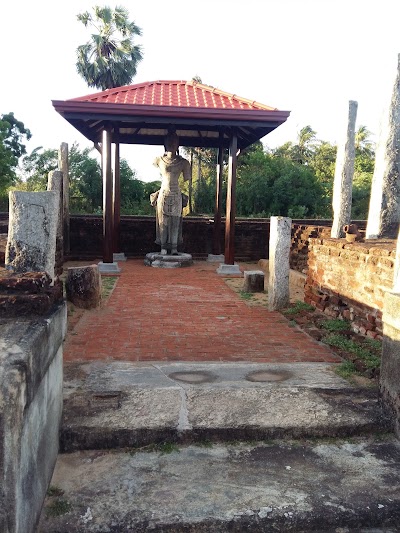
On the ground of the stupa a statue of Avalokeshwara Bodhisattva, a concept originated in Mahayana Buddhism blended with the Sri Lankan culture and Theravada doctrine.response / report this review -
20 January 2018
Yatala Wehera is located by the Hambanthota - Katharagama road, in-between Debarawewa and Thissamaharamaya. According to the Ancient Dhathu Vanshaya, this Yatala Wehera (also know as Dalada Dageba) was built by king Maha Naaga. Very peaceful, people seem to forget leave this pagoda out. There is a small museum to the side that has pieces dating back to 2BC. Even the place is not much popular among public, it is really worth to visit the place and stay in peacefully. If you are staying in Tissa and have time to explore the town, this is nice to visit and you can easily walk from the Tissa main road.
response / report this review -
14 December 2017
Yatala Wehera was built by king Mahanaga nearly 2300 years ago. King Mahanaga was regional king in Ruhunu kingdom and brother of king Devanmpiyathissa, who ruled in Anuradhapura. This temple was built to commemorate the birth of his son, prince Yatala. There are several shapes of dagaba can be found in Sri Lanka. Yatala Wehera is a “Bubbulakara” ( bubble shape) Dagaba. This pagoda is surrounded by elephant wall and a lotus pond. The bubble shape and the elephant wall add some uniqueness to this stupa. You have to cross a small metal bridge over the lotus pond to reach the Dagaba.
response / report this review -
29 July 2017
Yatala Vehera is believed to be built by regional king Mahanaga in the 3rd century BC on the grounds which his queen delivered a son. This stupa has been identified as Mani Chethiya and Yattalaya in various historical documents.
response / report this review -
08 June 2017
Very Beautiful Stupa in Between Tissa and Debarawewa. Paddy feild and a Flower Pond Surrounding. Nearby a meausium.
Need much more attention of responsible officers to improve like Tissamaha Vihaaraya.response / report this review -
24 May 2017
An ancient stupa "යටාල වෙහෙර" and archaeology museum. Beautiful place. Situated right next to the Tissamaharama - Pannagamuwa road. Archaeological excavations are still going on around the stupa.
response / report this review -
19 April 2017
Very calm and beautiful place at night
response / report this review -
04 April 2017
located close to Tissamaharama town. even though no popular as Tiisa wehera. this also a great ancient Stupa biult in Anuradhapura era. The Museum located next to this place has lot of information
response / report this review -
05 March 2017
Believed to be the first stupa was built in Ruhuna. There is a delightful museum next to it.
response / report this review -
30 August 2016
Yatala Vehera (also spelled Yatala Wehera) is an ancient Buddhist stupa located in Deberawewa - Thissamaharama area in Hambantota District of Sri Lanka. The stupa is built on a stage made of large flat granite stones and has a surrounding wall of sculpted elephant heads, a moat and a large moonstone. It is believed that the stupa was built 2300 years ago by regional king Yatala Thissa of Ruhuna to commemorate the place where he was born. However some believe that the stupa was built by regional king Mahanaga, father of Yatala Thissa to mark the birth of his son.
In various historical documents and chronicles, this stupa has been also referred as Mani Chethiya and Yattalaya. It is not known what was enshrined in this stupa but a large number of relic caskets has been discovered in the stupa. It is believed that this stupa was offered to Arhant Arittha Thero, who was the first Sinhalese arhant, by the regional king of Ruhuna. This stupa is also believed to be the first stupa built in the kingdom of Ruhuna. The restoration work of the Yatala dagaba commenced in 1883 AD and It took over a century to complete the restoration. A small opening has been left in the renovated stupa to observe the different phases of construction.response / report this review -
25 December 2015
Little stupa which may or may not have hosted the tooth relic. There is a delightful museum next to it. Entrance with free donation.
response / report this review