How to spot an authentic Dim Sum experience in a Cantonese restaurant
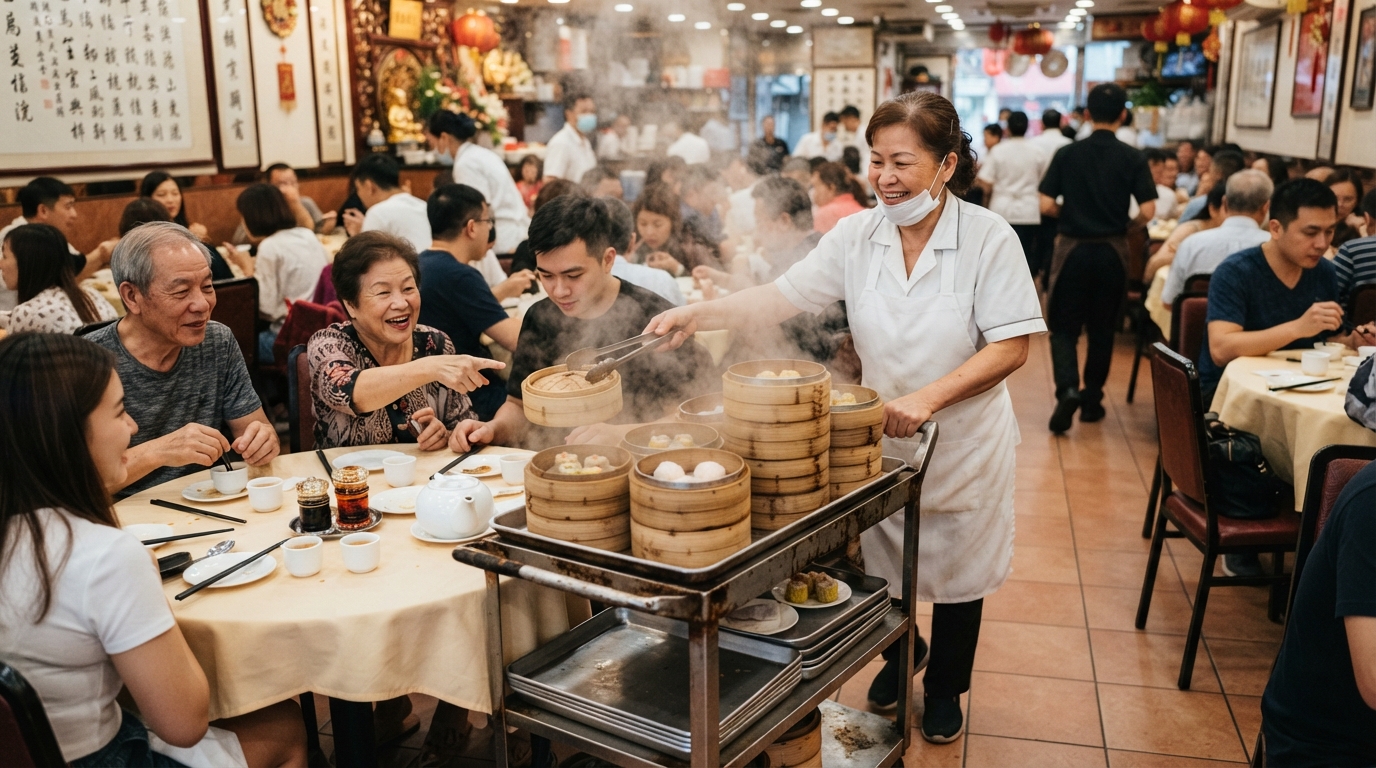
How to spot an authentic Dim Sum experience in a Cantonese restaurant starts with understanding what real Cantonese dining looks like, not just what appears on the menu. Did you know that authentic dim sum is traditionally served between 10.30am and 3:00pm, and restaurants that follow this timing are far more likely to reflect true Cantonese practices.
Key Takeaways
| Question | Quick Answer |
|---|---|
| What is the biggest sign of authentic dim sum? | Morning to early afternoon service with fresh, rotating dishes. |
| How many dishes should a real menu have? | At least 20 classic Cantonese dim sum items. |
| Do authentic places use carts? | Many traditional spots still use push carts, though modern ones may not. |
| Is price a reliable indicator? | Moderate pricing with high turnover usually signals freshness. |
| Where can I learn more about dim sum basics? | See this dim sum guide for foundational knowledge. |
| Are famous restaurants always authentic? | Not always, but places like Tim Ho Wan restaurant or Yank Sing restaurant often follow core traditions. |
How to spot an authentic Dim Sum experience in a Cantonese restaurant through service style
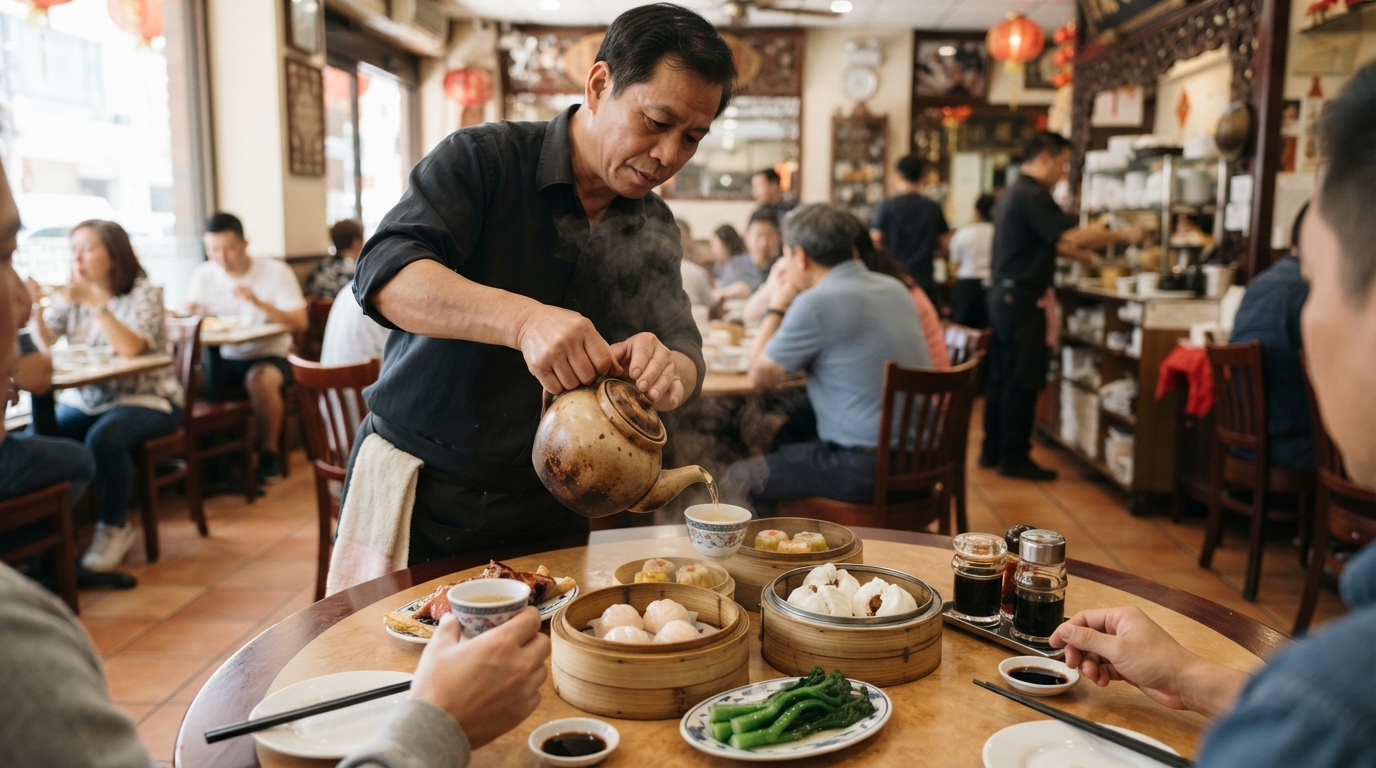
We always look at how food is served first. Traditional Cantonese dim sum is tied to yum cha, which means tea drinking alongside small plates.
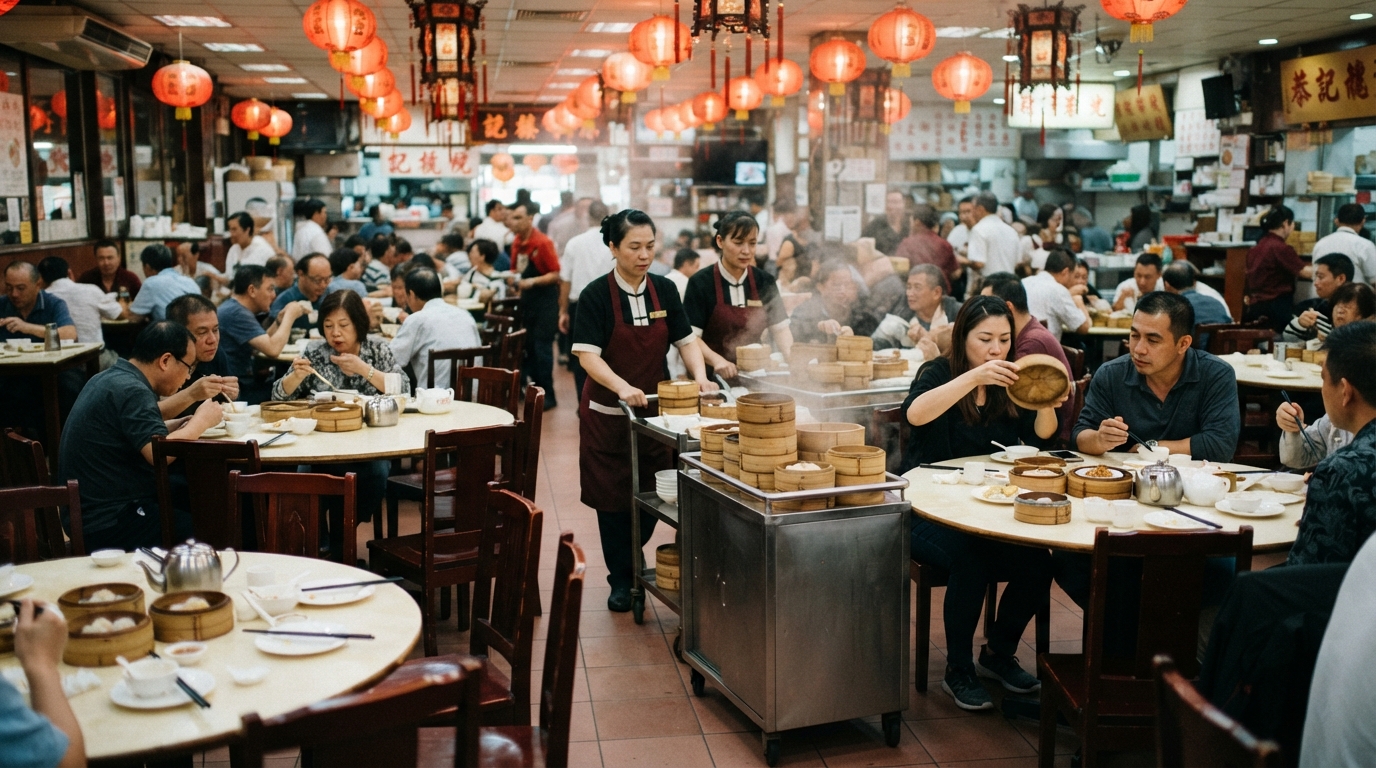
In many authentic spaces, staff move through the dining room with carts loaded with dumplings, buns, and desserts. Even in modern dim sum restaurant settings where ordering is done by sheet, the pacing should feel continuous and social.
If everything arrives at once like a standard meal, it is usually not a traditional experience.
How to spot an authentic Dim Sum experience in a Cantonese restaurant by menu depth
A real restaurant dim sum menu is never short. We expect a wide selection that covers steamed, fried, baked, and dessert categories.
Look for staples like:
- Har gow (shrimp dumplings)
- Siu mai (pork dumplings)
- Char siu bao (BBQ pork buns)
- Cheung fun (rice noodle rolls)
- Chicken feet and tripe for traditional offerings
If a dim sum king restaurant only lists 6 to 10 items, it is simplified for convenience, not authenticity.
How to spot an authentic Dim Sum experience in a Cantonese restaurant by timing and crowd patterns
Timing matters more than people expect. Authentic dim sum restaurants are busiest late morning and early afternoon.
We look for full dining rooms around brunch hours, especially with families and large groups. A nearly empty dining room at peak dim sum time is a warning sign.
Use this quick reference:
- Best time: 10:30am to 1:30pm
- Still authentic: until around 3:00pm
- Less traditional: dinner-only dim sum service
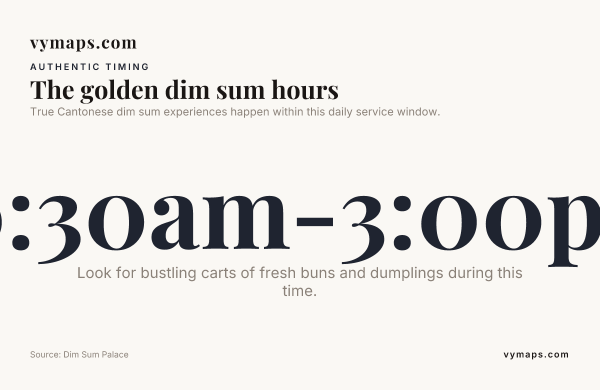
True Cantonese dim sum experiences happen within this daily service window.
How to spot an authentic Dim Sum experience in a Cantonese restaurant by food quality and preparation
Freshness is non-negotiable. Authentic dim sum is made daily, often in-house.
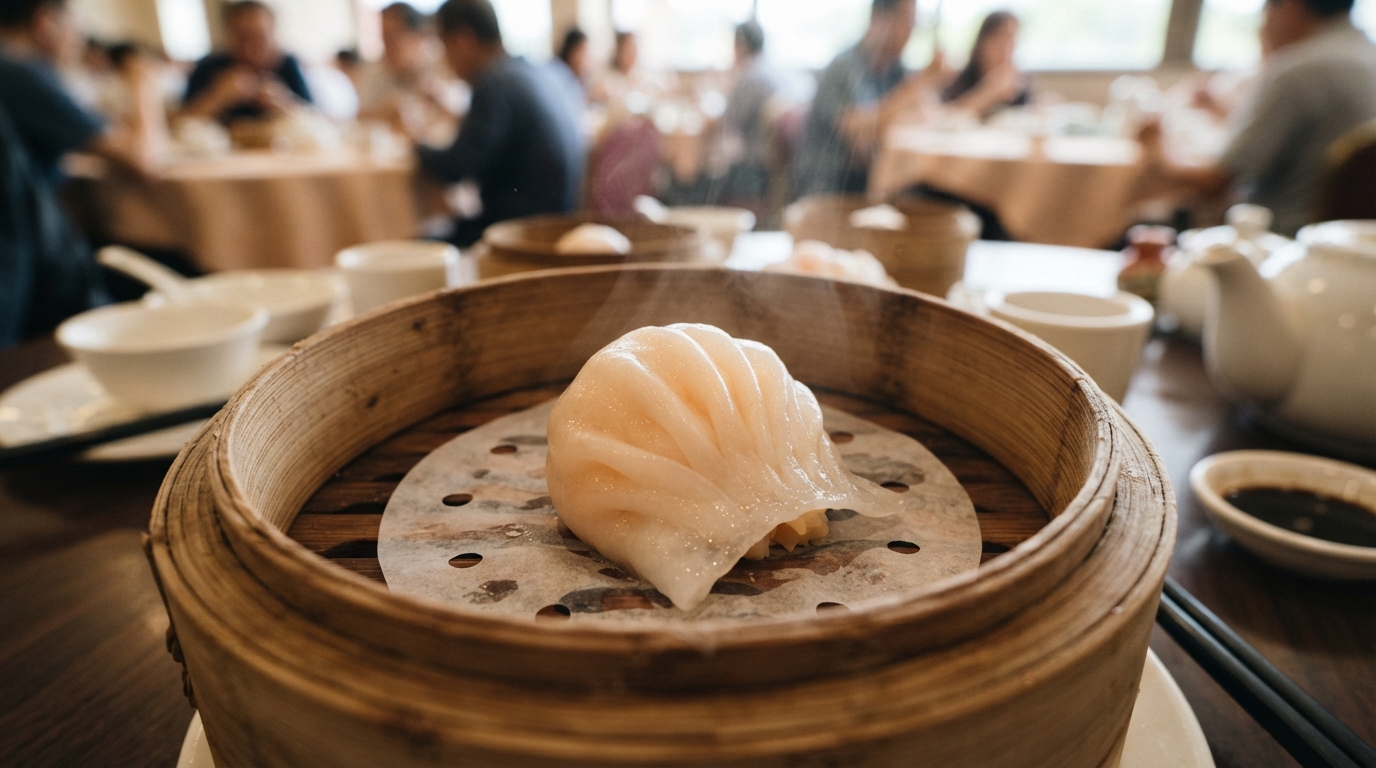
We check texture closely. Har gow skins should be slightly translucent and delicate, not thick or gummy.
Fried dishes should arrive crisp, never oily or soggy. Steamed buns should be soft and fragrant.
If everything tastes uniform, like it came from frozen batches, the restaurant is likely prioritizing volume over tradition.
Comparing well-known dim sum restaurant examples
Not all popular restaurants follow the same level of authenticity, but some are known for staying close to Cantonese roots.
| Restaurant | What to Expect | Authenticity Signals |
|---|---|---|
| Tim Ho Wan restaurant | Streamlined menu, Michelin recognition | Focus on signature items like baked buns |
| Yank Sing restaurant | Modern service with traditional recipes | High ingredient quality and consistency |
| Grand Harbor Seafood and Dimsum Restaurant | Large banquet-style dining | Classic push-cart experience and variety |
We use these as reference points, not strict rules. Even a lesser-known dim sung restaurant can deliver a more authentic experience if it follows traditional practices.
How to spot an authentic Dim Sum experience in a Cantonese restaurant near you
Searching for a dim sum restaurant near me often brings up dozens of options. We filter them quickly using a few practical checks.
- Look at photos, are there carts, bamboo steamers, and shared tables
- Check peak hours in reviews, busy mornings are a good sign
- Scan menus online, depth matters more than fusion creativity
- Read reviews mentioning freshness, not just ambiance
You can also explore broader food context through platforms like Food52 to understand how traditional dishes should look and taste.
Atmosphere, tea culture, and small details that matter
Authentic dim sum is not just about food. It is about rhythm and environment.
We expect constant tea refills, the sound of dishes moving, and a lively dining room. Tea is central, usually jasmine, pu-erh, or chrysanthemum.
Small signals matter:
- Bamboo steamers stacked on tables
- Stamped order cards or simple check sheets
- Minimal decoration, focus on food and service
Common mistakes when judging a tim sum restaurant
We often see people assume modern design equals better quality. That is not always true.
Here are common misjudgments:
- Assuming expensive means authentic
- Trusting social media visuals over taste and texture
- Ignoring service timing and cultural context
- Confusing fusion menus with traditional Cantonese offerings
Even a simple local spot, like those listed on directories such as Zandy Restaurant, can sometimes reflect stronger authenticity than trend-driven locations.
Conclusion
How to spot an authentic Dim Sum experience in a Cantonese restaurant comes down to consistency across service, timing, menu depth, and food quality. We focus on morning service, diverse menus, fresh preparation, and a lively tea-centered atmosphere.
Whether you visit a well-known dim sum king restaurant or a small neighborhood dim sum restaurant near me, these signals help separate true Cantonese tradition from simplified versions.
Frequently Asked Questions
What is the best time to experience authentic dim sum in 2026?
The best time remains late morning to early afternoon. This aligns with how to spot an authentic Dim Sum experience in a Cantonese restaurant because traditional yum cha happens before 3pm.
How many dishes should a real dim sum restaurant offer?
A strong indicator of how to spot an authentic Dim Sum experience in a Cantonese restaurant is a menu with at least 20 classic dishes. Fewer options usually mean a limited or adapted menu.
Is Tim Ho Wan restaurant considered authentic?
Tim Ho Wan restaurant keeps many traditional elements, especially in its core dishes. However, it offers a more streamlined experience compared to full traditional banquet-style dim sum.
How do I find an authentic dim sum restaurant near me?
Search for busy brunch hours, traditional dishes, and strong reviews mentioning freshness. These are key signals in how to spot an authentic Dim Sum experience in a Cantonese restaurant near you.
Are push carts necessary for authenticity?
No, but they are a strong traditional signal. Many modern dim sum restaurant setups use ordering sheets while still maintaining authentic recipes and preparation.
What drinks are served in authentic dim sum restaurants?
Tea is essential. Jasmine, pu-erh, and chrysanthemum teas are standard and part of how to spot an authentic Dim Sum experience in a Cantonese restaurant.
Is dinner dim sum authentic?
It can be, but it is less traditional. Authentic Cantonese dim sum is primarily a daytime experience tied to tea culture and social dining.
About the Author:
 Jopie Liputra is an avid traveler and passionate explorer who loves discovering new places and cultures. When not traveling, Jopie dives deep into travel blogs and official resources to uncover hidden gems and the best things to do in destinations around the world. His articles are a blend of personal experience and meticulous research, perfect for inspiring your next adventure. Connect with Jopie on LinkedIn.
No comments yet. Be the first to add a review.