The Traditional Arts and Ethnology Centre (TAEC)
Dala Market, Louangphrabang (Luang Prabang) 0600About
Location :
Added by Jopie, at 13 November 2016
Opening Hours
- Monday Closed
- Tuesday 9:00 AM – 6:00 PM
- Wednesday 9:00 AM – 6:00 PM
- Thursday 9:00 AM – 6:00 PM
- Friday 9:00 AM – 6:00 PM
- Saturday 9:00 AM – 6:00 PM
- Sunday 9:00 AM – 6:00 PM
Gallery





Add missing information
20 Reviews
-
31 March 2018
Very informative and entertaining. It's a must visit to understand Lao community better!
response / report this review -
11 February 2018
Very interesting place! Had a lot of local hand made stuff there and had a story and from which region it came from. Really cool to be promoting local stuff and helping get the profits back to the source of production.
response / report this review -
12 January 2018
Lovely place! It is absolutely worth going. you can learn about the beautiful tradition of weaving! On top they are helping the Communities 👍🏻
response / report this review -
27 December 2017
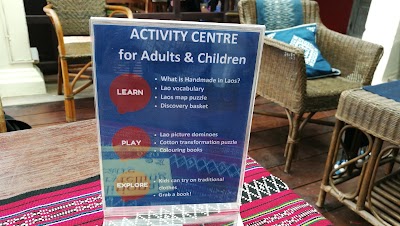
Small museum with well-designed and highly informative displays showcasing Lao tribal culture, folklore and art. Entry for children under the age of 12 is free. Children are offered activity blocks to keep them entertained. The building itself is lovingly restored, even the toilets are “exhibits” (see photo). Excellent museum shop offering authentic and stylish craft, juices made from local berries with bamboo straws, short courses in basket-weaving. There is also a kids corner with the full range of tribal costumes to play dress up.
response / report this review -
16 December 2017
Go for their workshops, too. They are very educative, staff is super nice and you support local people by learning from them. Great facility.
response / report this review -
15 December 2017
I really enjoyed visiting this museum. It is small but if you really read all the signs and take time to admire all the beautiful hand crafted items is the perfect size. I was specially fascinated with the fabrics and embroidery. Well worth the visit and the entrance fee.
response / report this review -
12 December 2017
It was an interesting experience. I saw things that some ethnic tribes make and wear. I filled out an activity sheet and received a prize. The sheet is recommended for 8-10 year olds.
response / report this review -
16 November 2017
Laos comprises many tribes. In the north, the minority tribes (i.e., non Lao tribe) make up the majority of the population. I learnt this at this museum. Do not miss this if you wish to understand Laos better - especially the different tribes. Knowledgeable English speaking guides and a good museum shop with authentic craft that the guides can actually describe and explain (as opposed to the markets or other local shops - either wrong information or communication issues).
response / report this review -
10 October 2017
Small but interesting museum, a good place to learn about the ethno-linguistic groups that make up the country, where they originally came from, and what makes them unique. An hour is more than enough to see all exhibits.
I thought the English descriptions accompanying the exhibits are well-written. The following excerpt perhaps best conveys the message the museum wants to impart to visitors:
"Ethnic communities in developing countries are not frozen in time as historical or ‘traditional icons’. In fact, they are developing and changing as much as cultures in Europe, the Americas, or even Vientiane, and have been transforming for hundreds of years. Ethnic people in Laos live in cities, own businesses, hold government positions, and travel overseas. In rural villages, they listen to the radio, trade with other ethnic groups, frequent town markets, adopt new crops, and build cement houses. People adapt their lifestyles and traditions to changing circumstances, globalization, and opportunities to improve their future."response / report this review -
10 October 2017
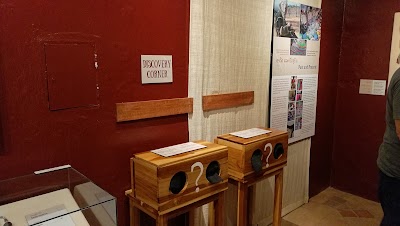
Great museum well prepared for children so they can do their own discovery plus later dress up while you can have oversweet coffee
response / report this review -
25 July 2017
Good place to learn about the ethnic groups of Laos and their traditional clothes, craft practices and all. Everything is displayed nicely and you pay 25000 kip to get in. You can visit the coffee and museum shop behind without paying the fee. There're some activities for kids so it might be good to bring children.
response / report this review -
28 June 2017
Prepare to sweat in here! They have fans but it was an oven. It's a short visit, only taking maybe half an hour if you go through everything. Seemed pricey for what you get but it's for a good cause.
response / report this review -
24 June 2017
They do a great job of providing history of the area and explaining the aspects of each culture. The displays are well thought out and description are interesting. Well worth the 25,000kip admission.
response / report this review -
16 June 2017
The entrance is inexpensive, only 25000 Kip, (£2.50, COP9000). The TAEC is engaged in research, artefact preservation, exhibitions, education and handicraft development.
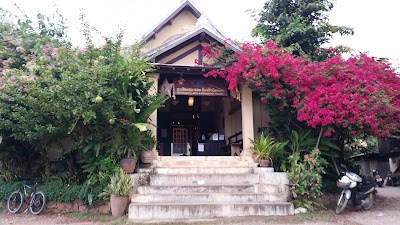
The TAEC building was constructed in 1920 during the French colony.
Even though the museum is quite small, it consists of only three rooms, it still allowed me to get an insight into ethnic groups, rural lifestyles, traditional clothes and customs of Lao tribes. The information is orderly exhibited and easy to go through with English labels. It includes feature text, photographs and objects from villages of northern Laos.
I learnt about the distribution of the four ethnolinguistic groups: Tai-Kadai, which includes ten subgroups; Hmong-Yao, which includes three subgroups; Sino-Tibetan, includes in another nine subgroups; and the Austro-Asiatic, includes in another thirty subgroups
The museum also has a small souvenir shop which promotes sustainable livelihoods. It has authentic handicrafts directly sourced from ethnic artisans, primarily ethnic minority women who earn a fair share. 50% of the shop income goes back to the villages across Laos. I purchased a beautiful double-sided textile cap made by Tai Lue women, as a present for my sister Sandra who loves hats, for 200000 kip (£19, COP71000). Tai Lue group is devoutly Buddhist and famous for their handwoven cotton and silk textiles.response / report this review -
22 May 2017
Interesting to learn more about the etnic groups before purchasing handicrafts or visiting the village. The information is well displayed and easy to learn. Fair priced the souvenir shop. However they could expand to include more local women at work, explaining the tye dye process or the weavinh there was no one when I went.
response / report this review -
06 March 2017
Small but well curated. Go on Friday afternoons for the free tour (still have to buy a ticket). Also keep an eye out for special events here.
response / report this review -
18 February 2017
Great little museum! Only a couple of rooms but packed full of interesting information. Aim to spend an hour here at the start of your time in Luang Prabang. The exhibit at the back explaining how to tell the manufacturing techniques and probable place of manufacture for textiles was a great help in future purchasing decisions!
response / report this review -
14 February 2017
Worth to visit as there are not many places in Laos with cultural information on many tribes living in the country. Although the place is small allow you to have an insight in traditional clothes and customs of mainly northern Lao tribes. The shop offers items made by villagers of which 50% of revenue goes for culture preservation or directly to the villages.
response / report this review -
09 February 2017
The museum itself is quite small, but this more than made up for by the enthusiastic and very knowledgeable staff. I would highly recommend paying the extra and having the guided tour.
response / report this review -
20 November 2016
Worth the visit if you're nearby. Lots of information available in English, a nice and well presented variation of traditional clothes, artifacts and work equipment of the various minorities in Laos. The museum is color coded in a way that each minority group has its own color, which we found useful. It is not a big museum, and you can easily cover all of it in 30 minutes, so don't expect more than that. There's a souvenir shop at the end of it, though it is way too overpriced, as you can find similar items at cheaper prices if you visit the more remote villages around the country.
response / report this review