About
Location :
Added by Enfield Clinic Oman, at 26 August 2026
Products and Services
Can You Get Laser Hair Removal With a Tan?
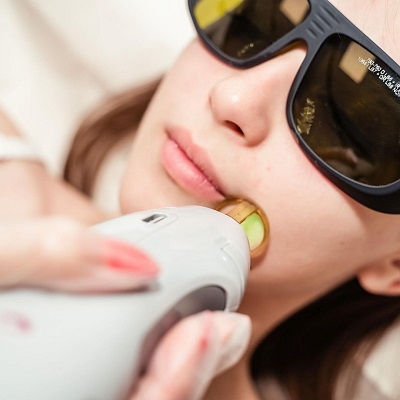
Laser hair removal is a popular option for people looking for longer-lasting hair reduction without the constant shaving, waxing, or tweezing routine. However, one question often comes up before treatment: can laser hair removal be performed safely when the skin is tanned?
In most cases, laser hair removal (https://www.enfieldroyalclinics.om/laser-treatments/laser-hair-removal/) is not recommended on recently tanned skin. A tan increases the amount of melanin, or pigment, in the skin. Because laser hair removal works by targeting pigment in the hair follicle, a recent tan can make it more difficult for the laser to distinguish between the hair and surrounding skin. This may increase the risk of unwanted skin reactions, including burns, blistering, irritation, or changes in skin pigmentation.
That does not mean someone who enjoys time outdoors has to give up laser hair removal. With appropriate planning, sun protection, and guidance from a qualified laser professional, treatment can usually be scheduled around periods of sun exposure. Understanding how tanning affects laser hair removal can help people prepare their skin and reduce unnecessary risks.
Why Does Tanning Matter Before Laser Hair Removal?
Laser hair removal uses concentrated light energy to heat and damage the hair follicle. The laser is attracted to melanin, the pigment responsible for the color of hair and skin. Ideally, the laser should primarily target the pigment in the hair follicle while leaving the surrounding skin as unharmed as possible.
When the skin becomes tanned, it contains more melanin. This additional pigment can absorb some of the laser energy intended for the hair follicle. As a result, recently tanned skin may be more sensitive to the treatment.
The increased pigment does not necessarily mean laser hair removal will cause a problem every time. However, it can change the way the skin responds to laser energy. Depending on the individual's skin tone, tanning level, laser technology, and treatment settings, there may be a higher chance of redness, irritation, burns, or temporary or permanent pigmentation changes.
For this reason, a reputable laser hair removal provider will generally ask about recent sun exposure, tanning beds, self-tanning products, and outdoor activities before treatment.
Can Laser Hair Removal Be Done on Tanned Skin?
Generally, it is better to postpone laser hair removal until a recent tan has faded. The appropriate waiting period can vary because tanning does not disappear at the same rate for everyone.
Someone with a mild tan may need a different amount of time than someone with a deep tan or sunburn. The treatment area also matters. Areas that receive frequent sun exposure may remain darker for longer than areas normally covered by clothing.
A laser professional may assess the skin before deciding whether treatment can safely proceed. If the skin appears noticeably darker than its usual tone, the provider may recommend waiting. In some situations, treatment settings may be adjusted for a person's natural skin tone and current condition, but changing the settings does not automatically eliminate the risks associated with a recent tan.
People should also avoid assuming that the absence of redness means the tan is no longer relevant. Skin can remain pigmented after the initial sun exposure has passed.
What Can Happen If Laser Hair Removal Is Performed on a Tan?
Performing laser hair removal on recently tanned skin can increase the likelihood of unwanted reactions. The exact risk depends on the individual's skin, the degree of tanning, the laser used, and other factors.
Possible reactions include:
Increased redness or irritation
A stronger sensation of heat during treatment
Skin sensitivity or discomfort
Burns or blistering in more serious cases
Temporary darkening of the treated skin
Temporary lightening of the skin
Uneven pigmentation
Longer recovery time
Pigment changes can be particularly frustrating because they may take weeks or months to settle. In some cases, they can last longer.
A sunburn is an even stronger reason to delay treatment. Sunburned skin is already inflamed and damaged, so exposing it to additional heat from laser treatment may worsen irritation and increase the risk of complications. Laser hair removal should generally be postponed until the skin has fully recovered.
How Long Should Someone Wait After Getting a Tan?
There is no single waiting period that applies to every person. The safest approach is to allow the tan to fade and have the treatment area assessed before proceeding.
Many laser professionals recommend avoiding significant sun exposure for a period before and after laser hair removal. The exact timeframe may depend on the laser system, the person's natural skin tone, how much tanning occurred, and the area being treated.
Rather than relying only on a specific number of days, individuals should consider whether their skin has returned close to its normal, untanned color. If the skin remains noticeably darker, postponing treatment may be the safer option.
People planning a vacation or beach trip can also schedule laser hair removal around their travel plans. Having treatments before a period of significant sun exposure may not be appropriate if the skin will then receive prolonged UV exposure. In many cases, it is easier to plan treatment during seasons or periods when sun exposure can be limited.
What About Spray Tans and Self-Tanning Products?
A spray tan or self-tanning product can create a different situation from a natural sun tan, but it can still affect laser hair removal preparation.
Self-tanning products temporarily darken the outer layers of the skin. Since laser hair removal relies on the contrast between hair pigment and skin pigment, artificial color on the skin can potentially interfere with treatment and increase the risk of an unwanted reaction.
For that reason, individuals should tell their laser provider if they use self-tanning lotions, mousses, sprays, tanning drops, or similar products. The provider may recommend stopping these products before treatment and waiting until the artificial color has completely faded.
It is also important not to try to remove a self-tanner aggressively immediately before laser treatment. Excessive exfoliation can irritate the skin and make it more sensitive. A treatment provider can give specific preparation instructions based on the product and treatment area.
How to Prepare for Laser Hair Removal After Sun Exposure
Good preparation can make laser hair removal more comfortable and may reduce the likelihood of skin complications.
First, sun exposure should be minimized as much as reasonably possible before treatment. Sunscreen with broad-spectrum protection can help protect exposed skin, while clothing can provide additional protection during outdoor activities.
Second, tanning beds should be avoided. They expose the skin to UV radiation and can produce the same type of increased pigmentation that makes laser treatment more challenging.
Third, the treatment area should be allowed to recover fully from any sunburn, redness, peeling, or irritation. Laser treatment should not be performed on skin that is visibly damaged.
It is also helpful to follow the provider's shaving instructions. In many cases, shaving before laser hair removal is preferred because the laser can target the hair beneath the skin without having to burn longer hair above the surface. Waxing and tweezing are generally avoided around treatment sessions because they remove the hair from the follicle, which is the structure the laser needs to target.
Finally, individuals should be honest about recent sun exposure. Even if the skin does not appear dramatically tanned, telling the provider about recent outdoor activities allows them to make a safer decision.
Does Laser Hair Removal Work Differently on Different Skin Tones?
Laser hair removal can be performed on a wide range of skin tones, but the choice of laser technology and treatment settings matters.
People with darker skin naturally have more melanin in the skin. This does not automatically mean they cannot have laser hair removal. Instead, treatment needs to be selected and performed carefully to reduce the amount of laser energy absorbed by the surrounding skin.
Certain laser technologies are commonly used for darker skin because they can provide a better balance between targeting the hair follicle and protecting the skin. However, the safest option depends on the individual's skin tone, hair color, hair thickness, treatment area, and current skin condition.
A recent tan can make this distinction even more important because it temporarily increases pigmentation beyond the person's usual skin tone.
Anyone considering treatment should have a proper consultation before beginning a course of laser hair removal. A qualified professional can assess the skin and hair, discuss recent tanning, review relevant skin concerns, and determine whether treatment should proceed or be delayed.
What Should Someone Do If They Already Have a Tan?
There is usually no need to panic if someone has already become tanned before a scheduled laser hair removal session. The most sensible step is to contact the treatment provider and explain when the tanning occurred and how significant it was.
The provider may recommend postponing the appointment until the skin returns closer to its normal tone. This can be inconvenient, especially when treatment appointments are scheduled several weeks apart, but protecting the skin is more important than rushing into a session.
During the waiting period, continued sun protection is important. Further tanning can prolong the time needed before treatment can safely resume.
People should also avoid deliberately trying to "even out" a tan by exposing untreated areas to more sunlight. Additional UV exposure can deepen pigmentation and increase the risk of skin damage.
Laser hair removal works best as a planned process rather than something that needs to be rushed. Allowing the skin to recover and following professional preparation instructions can help support safer and more consistent results.
Final Thoughts on Laser Hair Removal and Tanning
So, can someone get laser hair removal with a tan? In most cases, recently tanned skin should not be treated until the tan has faded and the skin is considered suitable for laser treatment.
The reason is straightforward: laser hair removal targets melanin in the hair follicle, but tanned skin contains additional melanin that can absorb laser energy. This can increase the risk of burns, irritation, and temporary or longer-lasting pigmentation changes.
Avoiding significant sun exposure before and after treatment, skipping tanning beds, being cautious with self-tanning products, and following individualized preparation instructions can make the treatment process safer.
For anyone with a planned vacation, regular outdoor activities, or a recently acquired tan, treatment scheduling should take those factors into account. A qualified laser professional can evaluate the skin and determine when treatment is appropriate.
The goal of laser hair removal is not simply to remove unwanted hair. It is to do so while protecting the surrounding skin. Waiting for a tan to fade may take a little patience, but it can be an important part of achieving that balance.
FAQs
1. Can laser hair removal be done immediately after sunbathing?
It is generally better to wait after significant sun exposure. Recently tanned or sunburned skin may be more sensitive to laser energy and can have a higher risk of irritation or pigmentation changes. The treatment provider should assess the skin before deciding when it is safe to proceed.
2. How long after tanning can someone have laser hair removal?
The appropriate waiting period varies from person to person. Rather than relying on a universal number of days, the skin should be allowed to recover and the tan should fade substantially. A qualified provider can assess the treatment area and recommend an appropriate timeframe.
3. Can laser hair removal cause burns on tanned skin?
There can be an increased risk of burns when laser treatment is performed on recently tanned skin because the additional melanin may absorb more laser energy. This is one reason providers often recommend postponing treatment after tanning.
4. Can someone use a self-tanner before laser hair removal?
Self-tanning products should generally be discussed with the treatment provider before a session. Artificially darkened skin can affect how laser energy interacts with the treatment area. A provider may recommend discontinuing the product and allowing the color to fade before treatment.
5. Should laser hair removal be avoided after a sunburn?
Yes, treatment should generally be postponed until the sunburn has completely healed. Red, peeling, painful, or irritated skin is more vulnerable and may react poorly to additional heat from laser treatment.
6. Can people with darker skin have laser hair removal?
Yes, laser hair removal can be suitable for many different skin tones. However, people with more melanin in their skin may require careful selection of laser technology and treatment settings. A professional assessment is important, particularly if the skin has recently been exposed to the sun.
Gallery
Add missing information
Reviews
No reviews yet. Be the first to add a review.