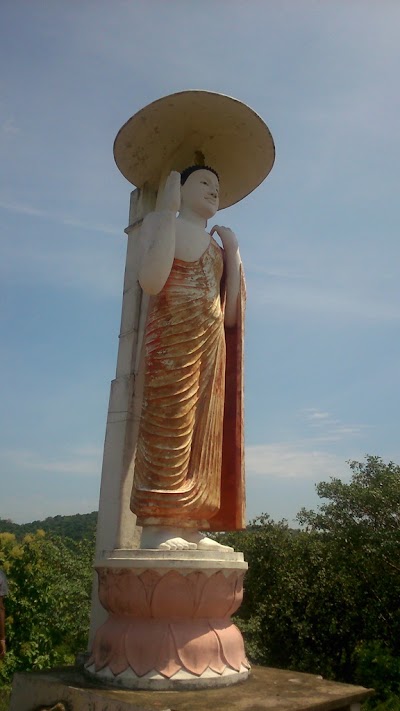
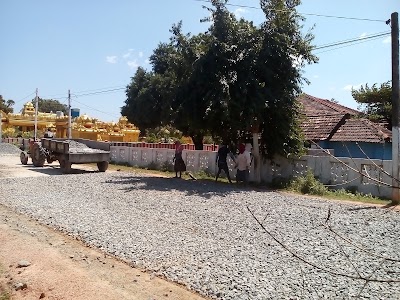
About
Location :
Added by Jopie, at 20 February 2017
Gallery


Add missing information
31 Reviews
-
09 March 2019
Seruwawila Mangala Raja Maha Vihara is an ancient Buddhist temple in Trincomalee district in Eastern Province
response / report this review -
23 February 2019
One of the most sacred places for Buddhists. The place is very calm and quiet, and well maintained. The place has a tremendous historic value. This is a temple/place that you could visit again and again.
response / report this review -
16 January 2019
Beautiful, historical temple situated in Trincomalee. We must visit seruwawila temple as a Buddhist.
response / report this review -
03 January 2019
Seruwawila Mangala Raja Maha Vihara is an ancient Buddhist temple in Trincomalee district in Eastern Province, which is among the sixteen or seventeen holiest Buddhist shrines ( Solosmasthana ) in Sri Lanka.It was built during the reign of King Kavantissa (2nd century BC) containing the Lalata Dathun Wahanse (sacred forehead bone) of
Lord Buddha. It can be reached by land and sea. The sea route begins at Trincomalee to Muttur on boat and another 16 km by roads and the land route is via Kantale , to Allai which is approximately 45 km through dense forest.Parking available and washrooms available.can reach by any vehical.response / report this review -
26 December 2018
It's so calm. There was a beautiful lake. A place we can repeatedly visit
response / report this review -
24 December 2018
The temple of seruwawila is embedded with the "lalata dhathu" the "fore head" of lord buddha which was constructed during the reign of king Kavantissa. This sacred temple is at a quite remote area from trinco highway and the leading roads are okay.
response / report this review -
14 December 2018
Seruwawila pagoda(stupa) is a most sacred place for buddhists as the sacred forehead bone relic (ළලාට ධාතුන් වහන්සේ )of lord buddha is supposed to be in this.
response / report this review -
05 October 2018
Very ancient temple located in Trincomalee district. Even though this is located in a rural area the roads connecting are good for traveling. The surroundings are very beautiful and calm. Occasionally muster of peacocks can be seen. The facilities for travelers such as wash rooms, rest rooms, car parks are available in the area.
response / report this review -
30 September 2018
This is a Buddhist temple which was created by king kavanthissa. Sacred historical monument for Sri Lankans
response / report this review -
01 September 2018
Seruwavila perahara. three former Buddhas named Kakusandha, Koṇāgamana and Kassapa with their relics enshrined. Gautama Buddha, who was the last Buddha in this eon, had personally visited this place and offered eight handfuls of 'sapu' flowers, then wished that the temple which constructing in future should be named as Mangala viharaya.[4]
Later the Kingdom of Ruhuna was threatened by South Indian Chola and Pandya invaders during the reign of King Kavantissa (2nd century BC) then the king had to evolve a strategy to prevent the disaster.
The King Kavantissa could make use of the loyalty and respect of the Sinhala nobles and the populace had for Buddhism to win over Princes Siva and Abhaya, his ally. The Buddhist monks informed that sacred relic of Lord Buddha Lalata Dathun Wahanse which was in the possession of King Kavantissa was destined to be enshrined by him personally in a stupa to be built at Seru; Lord Buddha had prophesied this would happen. After this, King Kavantissa marched with his army towards Seru and proclaiming the purpose of his visit asking all the landowners in and around Seru to come to his assistance. The sacred relics of the Lord Buddha was enshrined in the stupa which was known as Tissamaharama Raja Maha Viharaya. After the construction of the stupa King Kavantissa unified the entire portion of the country to the south of the Mahaweli and Kelani rivers then establish his capital at Mahagama. Meanwhile, the fame of the Seruwawila shrine had spread far and wide and it became a great place of worship and pilgrimage.response / report this review -
31 August 2018
One of the most sacred Buddhist shrines in Sri Lanka. It is said that Lord Buddha has visited Seruwawila one of only seventeen visits to Sri Lanka. The Stupa is said to enshrine the most sacred forehead bone of Lord Buddha (Lalata Dhathu). There are two access roads to this Temple both from the Trincomalee Batticlao road one from Thoppur and the other near Serunuwara.
response / report this review -
28 August 2018
Basic information
Location: Seruwawila, Sri Lanka
Geographic coordinates: 8°22′15″N 81°19′09.8″ECoordinates: 8°22′15″N 81°19′09.8″E
Affiliation: Buddhism
District: Trincomalee
Province: Eastern Province
Heritage designation: Archaeological protected monument (1962)
Architectural description
Architectural type: Buddhist Temple
Founder :King Kavantissa
Seruwawila Mangala Raja Maha Vihara is an ancient Buddhist temple in Trincomalee district in Eastern Province, which is among the sixteen or seventeen holiest Buddhist shrines (Solosmasthana) in Sri Lanka.
It was built during the reign of King Kavantissa (2nd century BC) containing the Lalata Dathun Wahanse (sacred forehead bone) of Lord Buddha. It can be reached by land and sea. The sea route begins at Trincomalee to Muttur on boat and another 16 km by roads and the land route is via Kantale, to Allai which is approximately 45 km through dense forest.
According to the late Dr. R. L. Brohier, the Seruwila region was a vast swamp or villu where the flood waters of the Mahaweli Ganga collected. This villu was the home of large flocks of teals (seru) during migratory period. That perhaps was how the place came to be known as Seruwawila.
Present state of conservation
It was only in 1922 that the dagaba was re-discovered by Ven. Dambagasare Sumedhankara Thero and, assisted by the Archeological Department, he restored the stupa using remains of ancient structures around the stupa to conjecture the conservation work. The conservation was completed in 1931.
The stupa and its environs covering approximately 85 acres was declared as an Archaeological Reserve in 1962. After this the Department of Archaeology was carrying out conservation work by stages. In view of the importance of this sacred shrine and to attract more pilgrims to the area, the Department of Town and Country Planning drew up a plan for the development of a new town complete with pilgrim rests, market areas, etc. during the 1970s.
On June 2009, it was refurbished and ceremonially opened for the veneration of a large number of devotees at a cost of nearly Rs. 25 million by the National Physical Planning Department under the guidance of Urban Development and Sacred Area Development ministry.response / report this review -
11 August 2018
Calm place. Climate is so hot. Situated in a rural area.
response / report this review -
21 July 2018
A very sacred temple in eastern province. A must go place. Parking is bit far from the temple.
response / report this review -
04 May 2018
A place to see and a must visit place to every Buddhist as the Sthupa contains head remains of Lord Buddha. Tourist crowed is low and the road to reach here is very dusty and your car will need a good wash after the trip!
response / report this review -
01 May 2018
One of the oldest and Sacred Stupa in Sri Lanka which was built during the reign of King Kavantissa (2nd century BC) containing the Lalata Dathun Wahanse (sacred forehead bone) of Lord Buddha.
It is in the Jungle hence Elephants are marching here and there in evening and night. But the Area has been protected by electrified fence. There are reasonable facilities and Cold water available for travelers and devotees. Onsite Museum closes on every Tuesday so I had not chance to visit there.
A good place to travel with Kidsresponse / report this review -
29 April 2018
Well, this is an ancient temple located far away from the capital. It is believed that some relics of lord Buddha have been kept in the stupa. You can reach the place via Kantale( but these days a bridge is being constructed.) Also you can go via trincomalee or polonnaruwa through somawathiye national park
response / report this review -
11 March 2018
A peaceful place which has a historical value.
response / report this review -
17 February 2018
Seruwawila Mangala Raja Maha Vihara is an ancient Buddhist temple in Trincomalee district in Eastern Province, which is among the sixteen or seventeen holiest Buddhist shrines (Solosmasthana) in Sri Lanka.
It was built during the reign of King Kavantissa (2nd century BC) containing the Lalata Dathun Wahanse (sacred forehead bone) of Lord Buddha. It can be reached by land and sea. The sea route begins at Trincomalee to Muttur on boat and another 16 km by roads and the land route is via Kantale, to Allai which is approximately 45 km through dense forest.
According to the late Dr. R. L. Brohier, the Seruwila region was a vast swamp or villu where the flood waters of the Mahaweli Ganga collected. This villu was the home of large flocks of teals (seru) during migratory period. That perhaps was how the place came to be known as Seruwawila.
It is believed that three viharas existed at this particular spot built during the periods of three former Buddhas named Kakusandha, Koṇāgamana and Kassapa with their relics enshrined. Gautama Buddha, who was the last Buddha in this eon, had personally visited this place and offered eight handfuls of 'sapu' flowers, then wished that the temple which constructing in future should be named as Mangala viharaya.
Later the Kingdom of Ruhuna was threatened by South Indian Chola and Pandya invaders during the reign of King Kavantissa (2nd century BC) then the king had to evolve a strategy to prevent the disaster.
The King Kavantissa could make use of the loyalty and respect of the Sinhala nobles and the populace had for Buddhism to win over Princes Siva and Abhaya, his ally. The Buddhist monks informed that sacred relic of Lord Buddha Lalata Dathun Wahanse which was in the possession of King Kavantissa was destined to be enshrined by him personally in a stupa to be built at Seru; Lord Buddha had prophesied this would happen. After this, King Kavantissa marched with his army towards Seru and proclaiming the purpose of his visit asking all the landowners in and around Seru to come to his assistance. The sacred relics of the Lord Buddha was enshrined in the stupa which was known as Tissamaharama Raja Maha Viharaya. After the construction of the stupa King Kavantissa unified the entire portion of the country to the south of the Mahaweli and Kelani rivers then establish his capital at Mahagama. Meanwhile, the fame of the Seruwawila shrine had spread far and wide and it became a great place of worship and pilgrimage.response / report this review -
24 January 2018
One of the main Buddhist pilgrimage sites in the island. Seruwawila is an important place for Buddhists and many use to worshipbthe temple during visits to the area. The architecture of the Buddha shrine room is a fine section of ancient time technology. You can see many ruins of old days buildings and shrines around the temple to date. Some of the pictures shows inside architecture of the shrine room and ruins around the temple premises.
response / report this review -
03 January 2018
Good place but don't use somawathe seruwalvila road to drive by car.
response / report this review -
28 October 2017
Very historical sacred place build during the era of King Kawanthissa of Sri Lanka. (2nd century BC)
response / report this review -
25 October 2017
This temple is one of the most important and ancient temple in sri lanka
response / report this review -
08 September 2017
Peaceful temple to visit and worship the forehead relic of Lord Buddha.
Burning hot on the way to the temple from the car park.
Sun screen and shades recommended.
Take your shoes and slippers and keep them at the gates no need to worry.
Watch out for monkeys!
Have a glass of fresh orange/lime juice at the car park after coming back from the temple. :)response / report this review -
07 September 2017
The Nature, the People and their believe, feel you when you will be there and get experiences your own.
response / report this review -
05 September 2017
Must visit place for Buddhist pilgrimage in Sri Lanka. One of the 16 great places.
response / report this review -
20 May 2017
Seruwawila Mangala Raja Maha Vihara is an ancient Buddhist temple in Trincomalee district in Eastern Province, which is among the sixteen or seventeen holiest Buddhist shrines in Sri Lanka.
response / report this review -
30 April 2017
One of the most significant Temples in the country.
Road is quite good now.
Beware of elephants in the nights.
Must go place as a buddhist.response / report this review -
30 April 2017
Beautiful well maintained buddhist temple. Recommend visitors in mornings & evenings in hot days since was very difficult to walk on the day I visited.
response / report this review -
13 April 2017
Ancient buddhist temple in Trincomalee district. The stupa is historical and contains sacred relic of Buddha.
response / report this review -
27 February 2017
Seruwawila Raja Maha Viharaya is an ancient Buddhist temple in Trincomalee district in Eastern Province, which is among the sixteen or seventeen holiest Buddhist shrines in Sri Lanka.
response / report this review