About
Location :
Added by Jopie, at 15 April 2010
Gallery
Add missing information
20 Reviews
-
16 November 2018
must see if you are in Florence! check the website because once a month there is a day you can go for no cost
response / report this review -
19 October 2018
The second floor hosts some marvelous work by Andrea della Robbia.
response / report this review -
19 October 2018
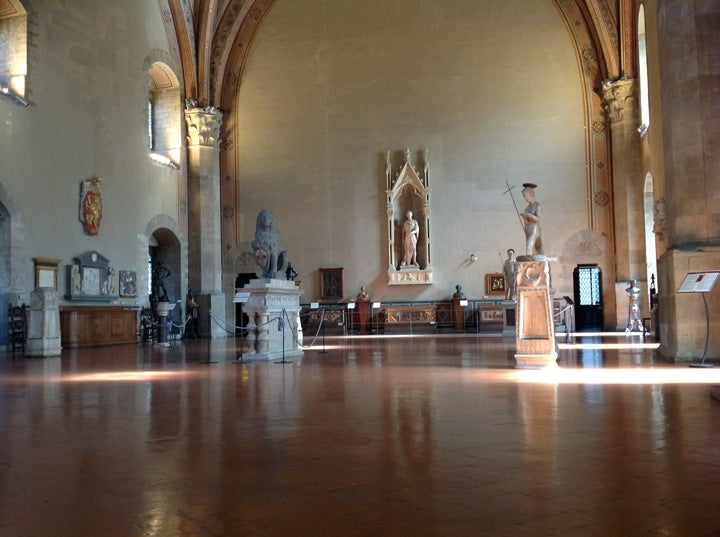
Donatello’s David was the first male nude sculpture since ancient times. Admire this turn in art history without overwhelming amount of visitors.
response / report this review -
17 October 2018
Magnifico .
response / report this review -
30 September 2017
Un buen espacio para ver arte romano sin tantos tumultos, es pequeño entonces puedes recorrerlo en 2-3 horas máximo.La sala de escultura de PB es bellísima!!
response / report this review -
12 September 2017
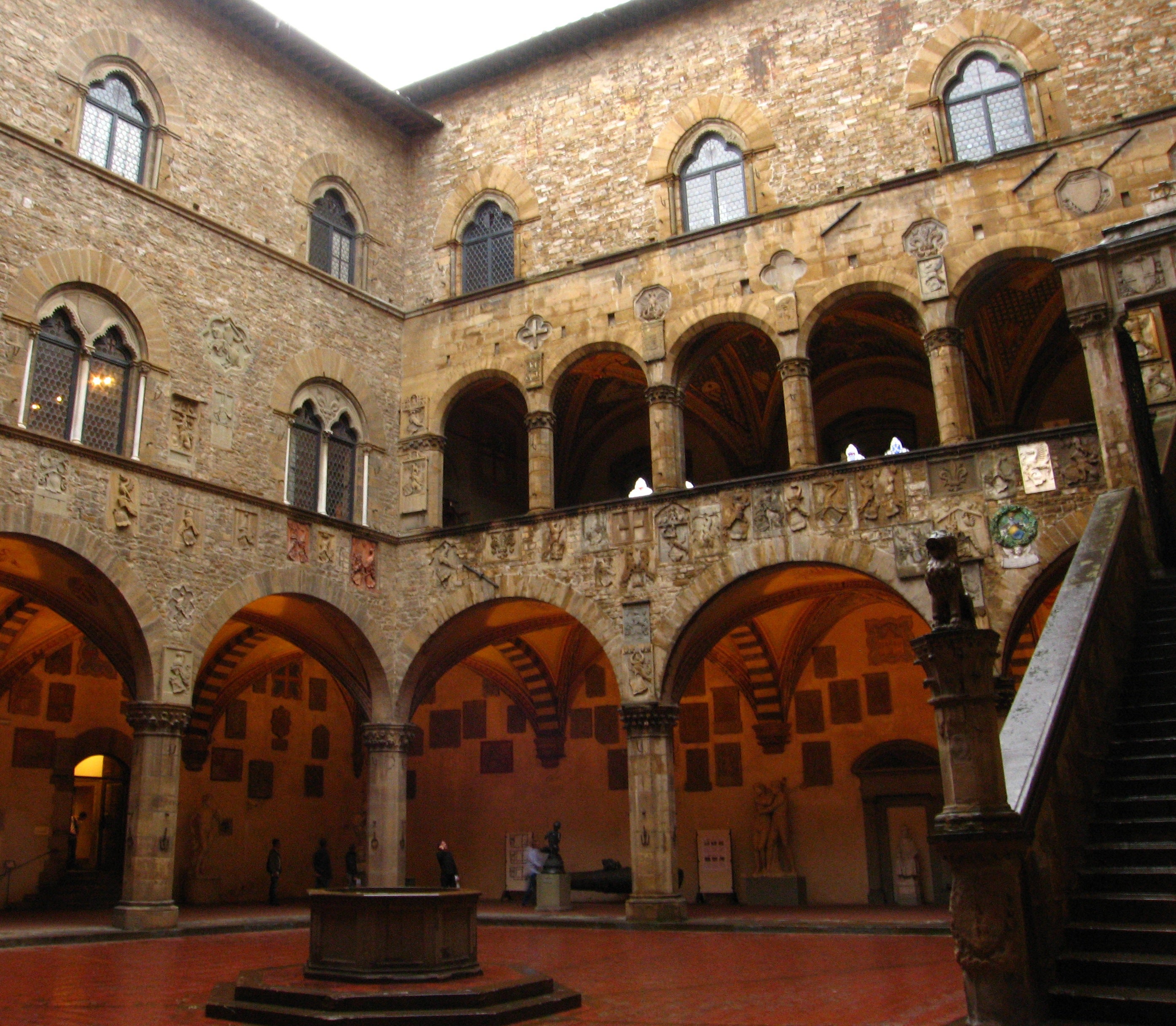
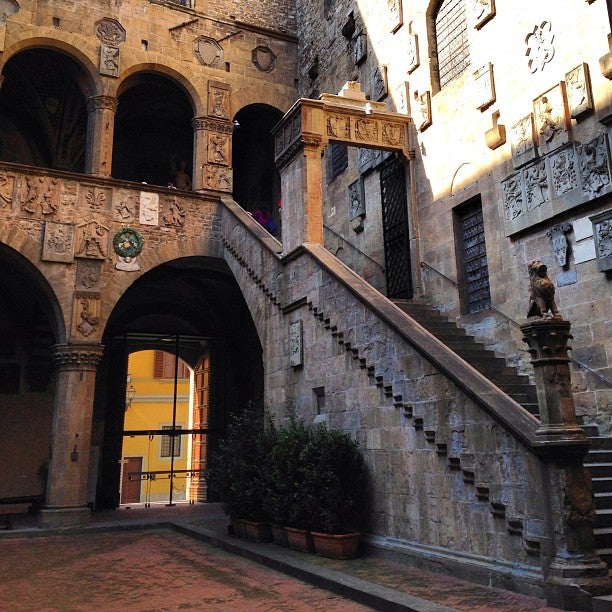
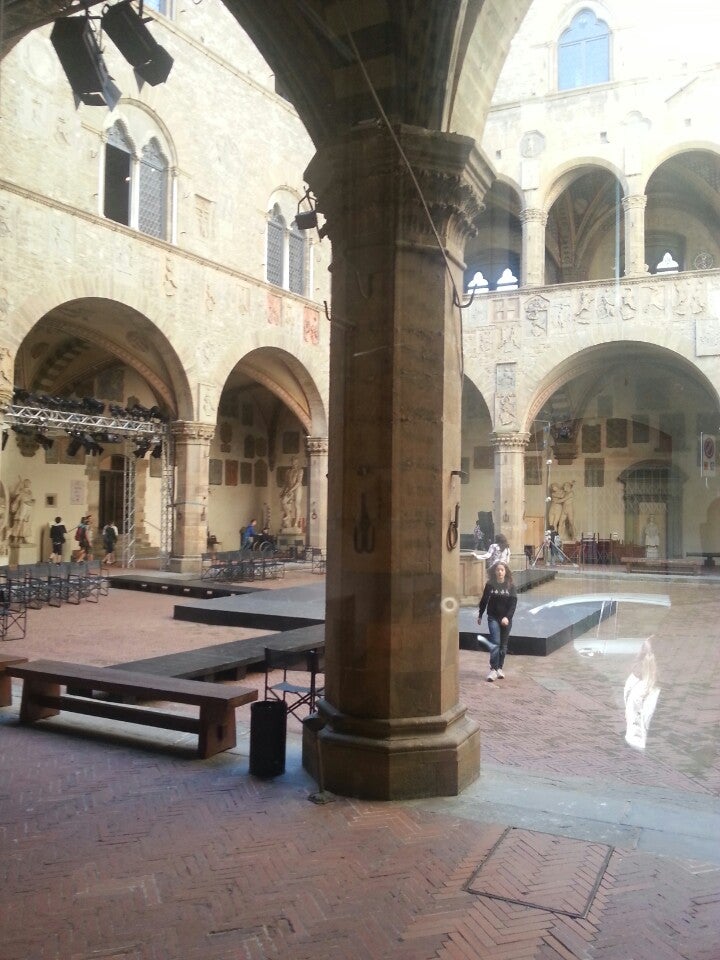
I loved patio, great opportunity to escape from the crowd and enjoy medieval architecture and masterpieces.
response / report this review -
12 August 2017
Michelangelo, Donatello el propio museo #espectacular
response / report this review -
21 February 2017
Not many people come to this place, but if you are into sculptures, it's a must. Benvenuto Celini amazed me!
response / report this review -
01 October 2016
Tired of nothing but marble statues and art? The Bargello has an interesting assortment of ceramics, glass, weapons, armor, and even some amazing locks and keys!
response / report this review -
28 August 2016
Attenzione due domeniche al mese è chiuso! (Povera italietta)
response / report this review -
27 August 2013
Si te gusta la escultura no puedes no ir, hermoso, obras de Michelangelo y Cellini entre otras
response / report this review -
25 February 2013
The Museum houses the most important collection of Renaissance sculptures; masterpieces by Donatello, Luca della Robbia, Verrocchio, Michelangelo, Cellini and Giambologna are on display here.
response / report this review -
15 December 2012
Small and intimate. Perfect when you want to be away from the main crowd.
response / report this review -
14 May 2012
The Museum has a remarkable collection of sculpture and works of art.Collections of minor art objects and works and famous sculptures by Michelangelo, Cellini, Giambologna, Donatello and Della Robbia
response / report this review -
11 October 2011
Never a line even though it houses important sculptures. Just 4 euro admission, closes at 1:50
response / report this review -
21 September 2011
4 euro, no line, excellent collection!
response / report this review -
28 July 2011
Don't miss Bartolomeo Ammannati's fragmented sculpture fountain complex, commissioned by Cosimo I to be placed inside his residence, the Town Hall.
response / report this review -
13 January 2011
nel cortile si possono fare foto
response / report this review -
30 September 2010
The sculpture museum houses famous works by Donatello and Michelangelo but don’t miss the small stuff: impressive antique jewels and maiolica plates.
response / report this review -
22 April 2010
Al primo piano la Sala degli Avori accoglie i pezzi in avorio della collezione Carrand: 265 pezzi databili tra il V e il XVII sec. tra dittici, formelle, cofanetti e valve in tema sacro e pagano.
response / report this review