About
Location :
Added by Jopie, at 13 September 2010
Gallery
Add missing information
20 Reviews
-
06 March 2022
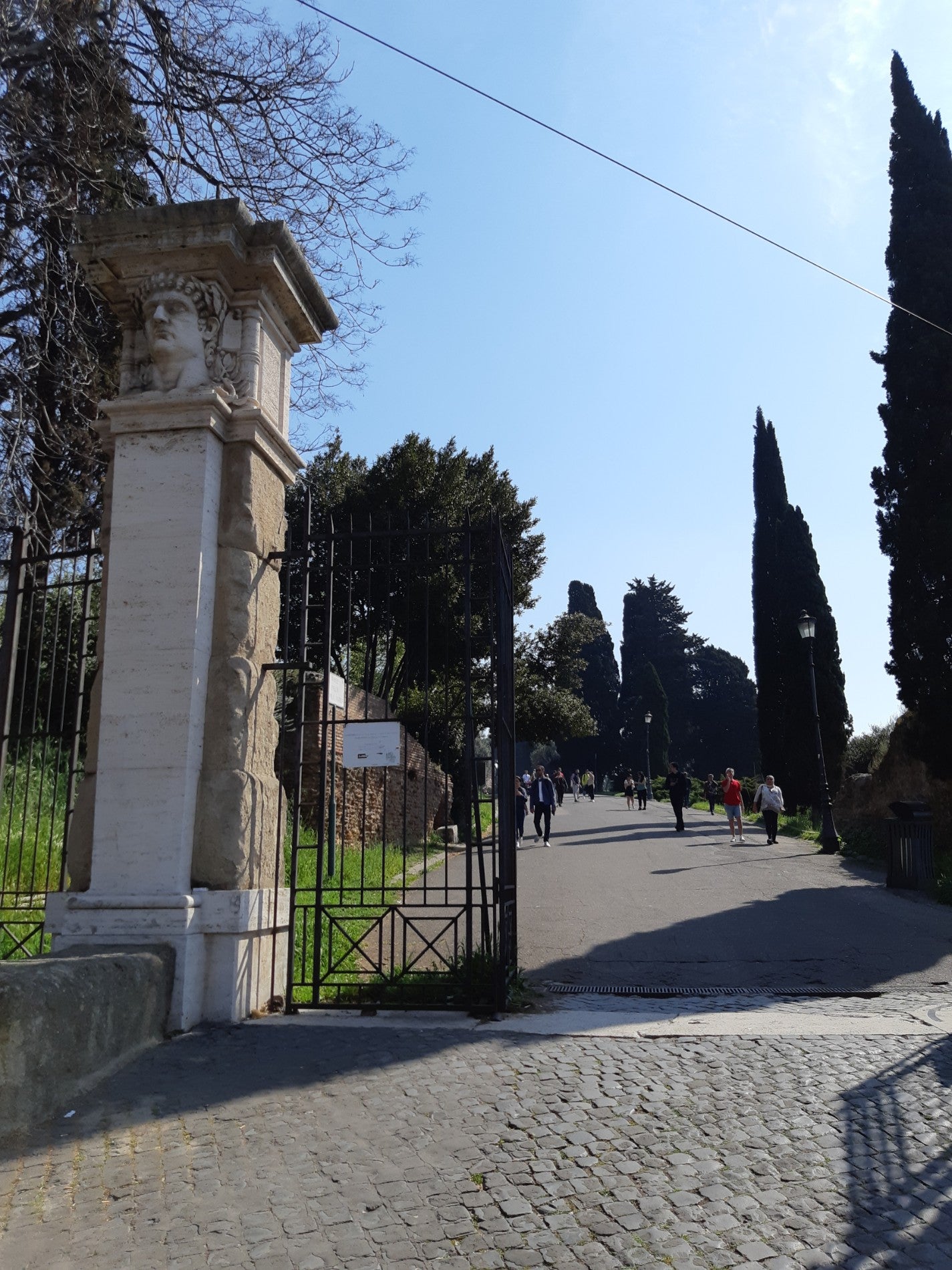
Beautiful must visit underground expo. Map apps don't point to the correct location & there aren't any arrows pointing you to the right direction
response / report this review -
03 March 2022
Impressive restauration. Beware: The address in Foursquare isn’t correct: the entrabce is near the Via Labicana
response / report this review -
11 August 2016
Oldtidens Rom (åbent mellem 9/20 og lukket om tirsdagen)
response / report this review -
07 August 2016
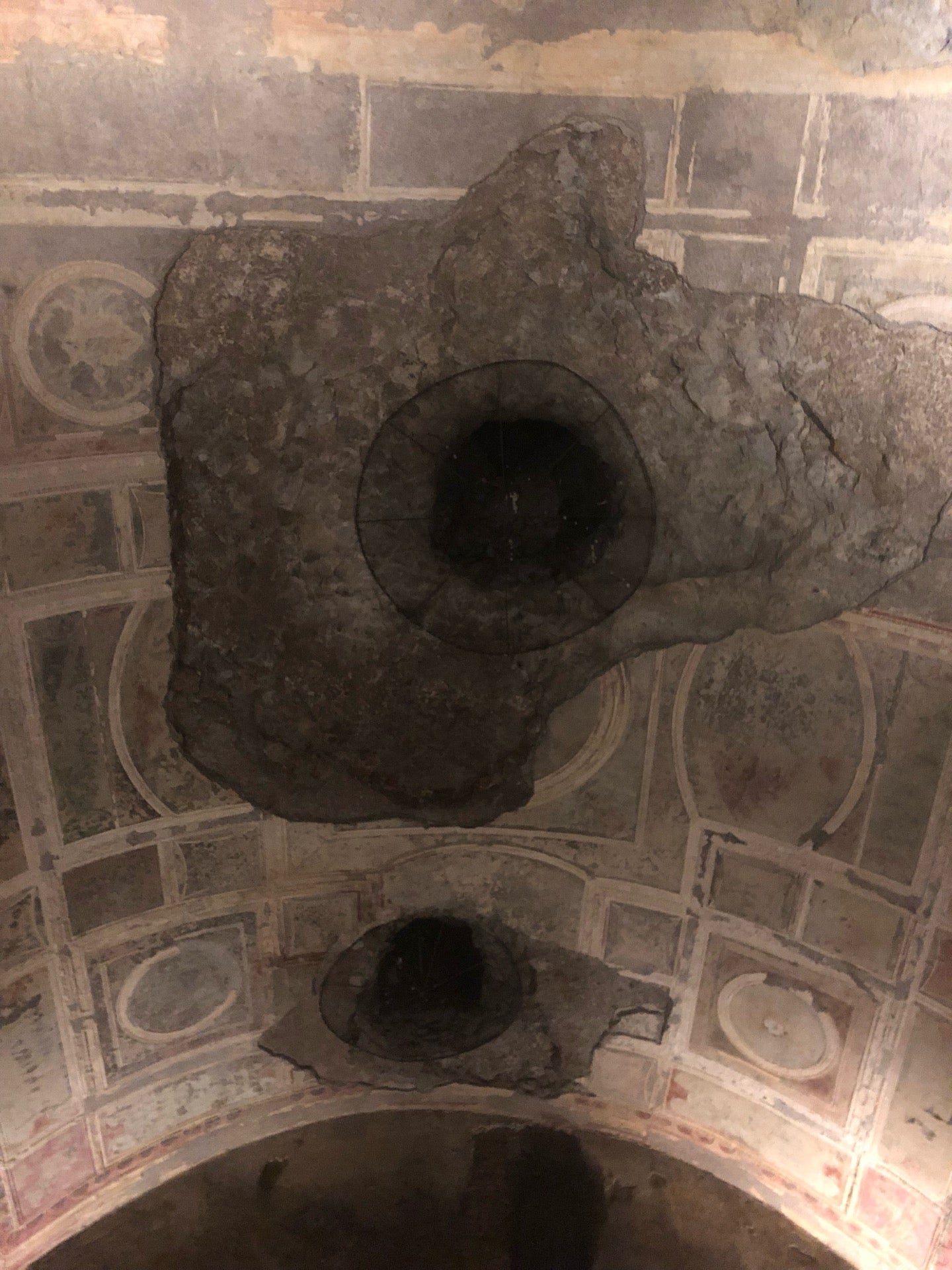
The best experience we had in Rome. For those passionate about history or achitecture this is something that must not be missed. Impressive!
response / report this review -
16 March 2016
Histoire et grandeur au rendez-vous
response / report this review -
30 August 2015
Commovente il tour per il cantiere della fastosa villa di Nerone, un esempio del potere e dello sfarzo dell'imperatore. Imperdibile.
response / report this review -
22 August 2015
Una visita interessante dal punto di vista storico ma anche archeologico per scoprire le difficoltà degli scavi. Meglio prenotare.
response / report this review -
26 February 2015
Rehbersiz gezme imkanı yok. İngilizce, İtalyanca, İspanyolca turlar mümkün. İçerisinin çok soğuk olduğunu unutmayın. http://dersimizitalya.blogspot.it/
response / report this review -
06 January 2015
For booking: +390639967700 - www.coopculture.it
response / report this review -
06 January 2015
You need to make reservations because the only entrance is via guided tours by archeologists, for groups of 25 people. Only open on Saturdays and Sundays, from 9.15 to 15.45.
response / report this review -
15 November 2013
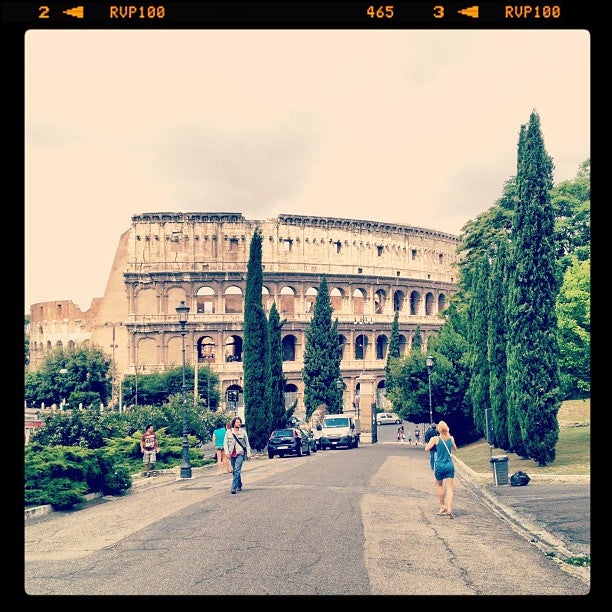
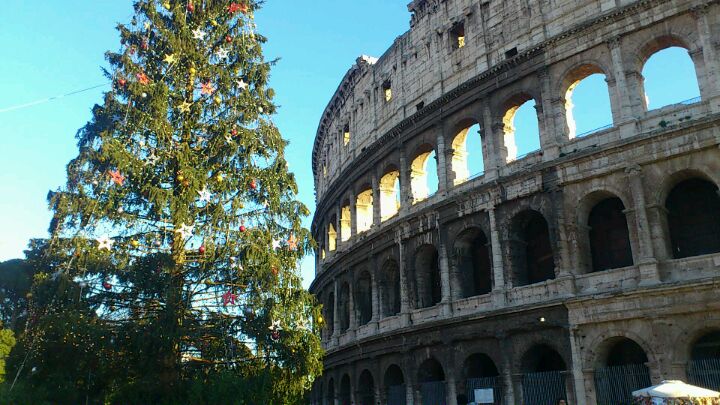
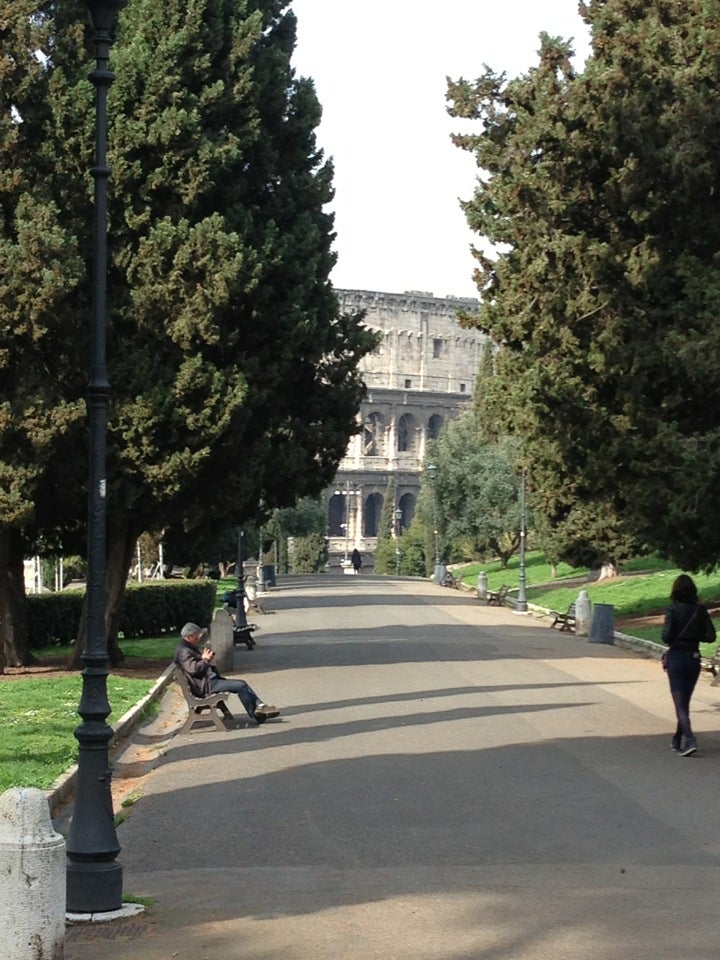
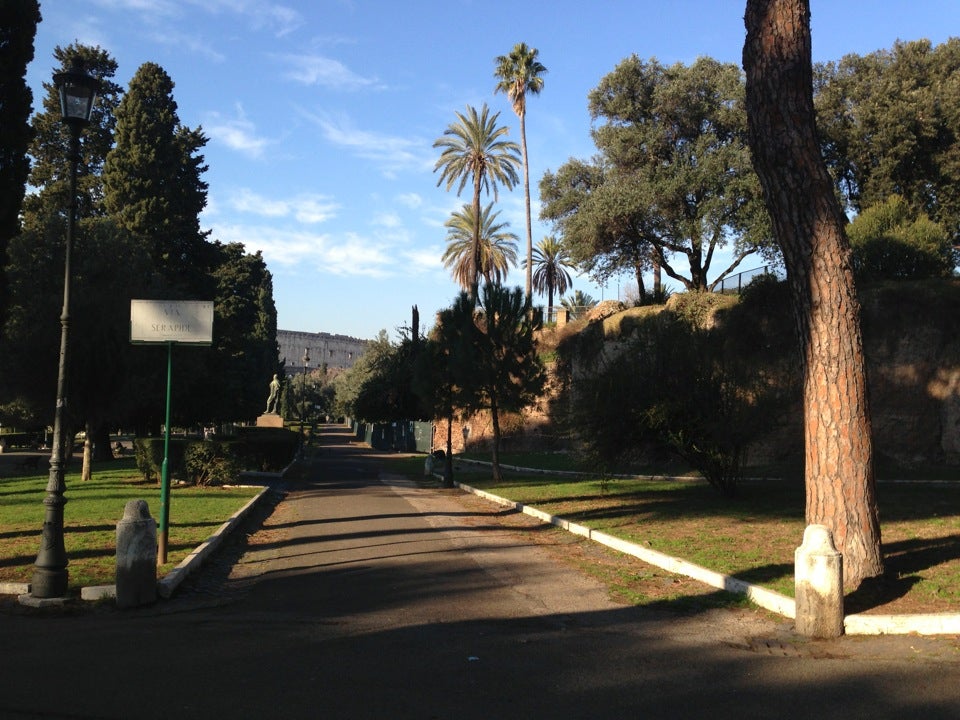
Отсюда открывается вид на Колизей с вершины холма. На ночь парк Золотого дома запирают на решетку, но при желании находится лазейки. Так что отсюда можно любоваться колизеем и днем и ночью
response / report this review -
20 November 2012
No reserved parking available -Pedestrian route partially accessible by wheelchair - Entrance: Uncovered, escort required -The alternative entrance is in via delle Terme di Traiano - WC NOT accessible
response / report this review -
11 January 2012
When a young Roman inadvertently fell through a cleft in the Aventine hillside at the end of the 15th century, he found himself in a strange cave or grotta filled with painted figures.
response / report this review -
11 January 2012
On the site of the lake, in the middle of the palace grounds, Vespasian built the Flavian Amphitheatre, which could be reflooded at will, with the Colossus Neronis beside it.
response / report this review -
11 January 2012
Soon after Nero’s death, the palace and grounds, encompassing 2.6 km² (c. 1 mi²), were filled with earth and built over: the Baths of Titus were already being built on part of the site in 79 AD.
response / report this review -
11 January 2012
After Nero's death, the Golden House was a severe embarrassment to his successors. It was stripped of its marble, its jewels and its ivory within a decade.
response / report this review -
11 January 2012
Designed to take advantage of artificially created landscapes, Domus Aurea was built by the Emperor, Nero, in the heart of ancient Rome, after the great fire in 64 AD
response / report this review -
11 January 2012
The Domus Aurea (Latin, "Golden House") was a large landscaped portico villa.
response / report this review -
29 September 2011
"La casa di Nerone è giusto una goccia (ma che goccia) in mezzo a quel mare profondissimo di tracce antiche che è la Roma underground"
response / report this review -
20 September 2010
La casa era ornata da statue predate in Grecia e in Asia minore. L'estensione approssimativa della casa era di ottanta ettari, e inglobava tutta la valle dove sorgerà poi l'anfiteatro Flavio.
response / report this review