About
Location :
Added by Jopie, at 29 September 2017
Gallery




Add missing information
4 Reviews
-
20 April 2018
Прелијепо! Не постоји у СПЦ љепша светиња. Обавезно походити светињи и поклонити се мученицима Пребиловачким. Било би ми жао умријети а да овакву светињу нисам видио уживо.
response / report this review -
16 December 2017
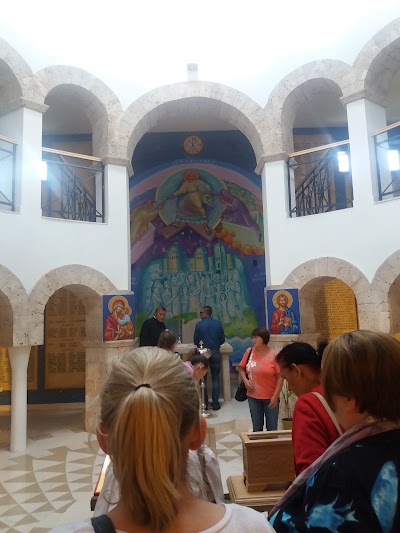
Crkva je izgradjena i osveštana od Patrijarha Pavla 1991. Godine.
Buduci da prethodne vlasti nisu dozvoljavale ropisnu sahranu žrtava koje su ustaške snage zverski pobile tokom 1941. Godine iz Prebilovaca i okoline, bačenih u više jama, kosti su sakupljene, smeštene u 158 sanduka, i pohranjene u porti crkve.
Sledece, 1992. G. hrvatske snage eksplozivom ruše crkvu, ali još zverskije miniraju i posmrtne ostatke ranije pobijenih, u pokušaju zatiranja tragova.
Crva je ponovo obnovljena, kosti su sakupljene u samo nekoliko sanduka, i ponovo pohranjene.
Mesto je pijeteta, i nezaborava ustaških zločina, ne ponovilo se nikad nikome, i nigde.response / report this review -
13 December 2017
The massacre in village Prebilovci in August 6,1941 is one of the most violent crimes in the history of mankind. The Ustasha units under the command of the criminal killed more than 800 Serbian civilians in the beginning of August 1941, most of them children under the age of 14.
Ivan Jovanovic, nickname - Crni (Black) (1902-1958)
Ivan Jovanovic -Jakovljev
His name is among about 1600 Ustasha Catholics of the dead "for Croatian freedom" at a monument in Capljina, erected in 2002
A semi-educated peasant, a Ustasha cavalryman, a torturer and a mass murderer, a monster from the Šurmanci in the Catholic parish of Medjugorje, the main killer of the breastmilk mothers and their children and thousands of other Serbs, ended the Second World War as Titov's partisan in the Žumberak Brigade!
She entered her in May 1945 after being captured at Celje and remained demobilized on July 3, 1945! Ivan Jovanovic referred to this fact from his biography on 4 October 1956, to investigator Ahmet Aleckovic, as a defendant in the Mostar Investigation Department of the State Secretariat for Internal Affairs of BiH (Minutes 463/56).
Ivan Jovanović was born in 1902, in Šurmanci, in the region of Mostar, from father Jakov and mother Luce r. Karačić. He was married and his father was a ninety-year-old. The Ustashas were locked from 1940, and in the war was the Ustasha head of the village of Surmanci. He participated in the attack on Yugoslav soldiers in Capljina and the first Ustasha crimes in April 1941.
With his brother Ludvig Jovanovic and Andrija Buljan from the neighboring Dretelj, a pathological killer, which some Ustashas were terrorizing, also "a fighter for Croatian freedom", named after a monument in Capljina, according to the directive or according to the consent of the Ustashi peak, organized a checkpoint the liquidation of Serbs in their village, which operated in July and August 1941. According to the witnesses from the Šurmanci, about 2,000 Serbs were killed there.
In just one day on August 6, 1941, Ustashas captured 500 women and children from village Prebilovci and abducted them living in the Golubnik cave, near the village of Shurmanac, near Chapljina, in the south of Bosnia and Herzegovina.
In the elementary school that existed in village Prebilovci, a large number of children were slaughtered by the Ustashas and their hoses were hung around the school, and their heads were placed on school benches. About all these horrors, Alexander Luzano, an Italian military intelligence officer, reported to the command in Italy.
Holy Martyr Stana Arnaut-Teacher in Prebilovci village, August 1941
It is canonized by the Serbian Orthodox Church, along with other Prelate martyrs
Only in November 1990, the excavation of those 13 pits, which contained bones of about 4,000 Serbian corpses, were buried on August 4, 1991 in front of the Temple of the Serbian Saints in Prelibovci-Church of the Resurrection of Christ
RECORDS SHOOTED YUGOSLAVIA
The records of the removal of the bones from the pit around Prebilovci shocked the then Yugoslavia. Muslim and Croatian politicians have criticized Serbs from the Neretva Valley that they are extreme nationalists because they wanted to dignify their dead deadly. On the underpass under which trucks were passing full of children's sketches overnight appeared an evil and cynical inscription "come again".
Nevertheless, the Serbs from the left bank of the Neretva did not believe it could be repeated in 1941, but the evil had returned in the 1990s.
- Janko Bobetko, the general of the Croatian army and the commander of ethnic cleansing in 1992, wrote in his memoirs the poem of his soldiers: "The villagers cross the village with a bad voice, now you wild boar pig." This boredom is disastrous. However, the Prebilovci live. Thirty families returned, they do not leave their world. They believe that the one who sells any one of them will be cursed, "says Yahura.response / report this review -
06 October 2017
У Пребиловачким спомен-цркви су кости страдалог србског народа које су комшије Хрвати бацали у 12 јама 1941. године, након 51 годину наследници ustaša експлозивом су разнели кости страдалог србског народа !!!
Срби мученици убијени од својих комшија Хрвата 1941. године и бачени су у 12 јама у околини села Пребиловци њихове кости вађене су из јама од септембра 1990. године, кости мученика освештао је патријарх Павле 1991. године, кости су стављене у 157 сандука и положене у крипту цркве. Наредне 1992, године Хрвати су експлозивом разнели цркву и крипту, 2015 године на месту претходне цркве подигнута је нова црква, ал` у њену крипту је спуштено само шест сандука са костима које су Срби могли да сакупе након што су Хрвати експлозивом уништили претходну цркву и крипту у којој је било 156 сандука са костима страдалог србског народа !!!
На основу снимљених материјала приликом вађења костију из херцеговачких јама, те свједочанстава особа које су преживјеле усташке покоље у Другом свјетском рату, снимљена је документарна ТВ емисија “Ево наше дјеце” приказана 19. априла 1991. у 20:00 на Другом програму ТВ Београда.
Од септембра 1990. године спелеолошка организација “Зелена брда” из Требиња почела је из крашких јама на подручју доње Неретве да вади посмртне остатаке Срба страдалих у Другом свјетском рату.
Прво вађење обављено је из јаме Јагодњаче у Ржаном долу, гдје су према ријечима спелеолога, извадили остатке преко хиљаду жртава. Приликом вађења остатака из јаме Шурманци крај Међугорја, за 12 дана рада извађено “800 жртава, гдје је бачено 300 деце, а нађена је и лобања нерођеног дјетета”.
Слиједила је јама на Бивољем брду, с преко хиљаду жртава, те јама Видоње крај Читлука, гдје су вађени остаци монаха свештеномученика.
Пронађене остатке жртава обрађивао је Институт за судску медицину Војномедицинске академије из Београда. За свој рад спелеолози “Зелених брда” и дјелатници Института добили су одликовања св. Саве 1. реда од Светог архијерејског синода СПЦ и патријарха српског Павла.
У децембру је с истим послом наставила екипа спелеолошког одсјека Планинарског савеза Београда, иначе чланова мобилног тима Цивилне заштите скупштине Београда. Иницијативу за наставак вађења формално су дали становници чапљинског села Пребиловци, односно Срби који су током Другог свјетског рата доживјели тешка страдања, као уосталом и сви становници села доње Неретве. Кости су вађене из седам јама од тринаест колико их, према ријечима мештана, укупно има: Голубинке, јаме крај села Шурмановца, јаме на Бивољем брду, Видоње крај Житомислића, из двије јаме крај Хутова и Горње и Доње Кукавуше.
Цјелокупна акција трајала је 32 дана, а према тврдњама спелеолога из њих су изнијете мошти више од 4.000 Срба. Спелеолози су овај посао урадили бесплатно, а награду мјесне заједнице Пребиловци уплатили су у фонд за изградњу заједничке спомен-гробнице цркве костурнице, чија изградња је већ отпочела у јануару 1991.
Са спелеолошком екипом била је и екипа ТВ Београда, под водством редитеља Здравка Шотре, као и новинар Радио Београда Ратко Никић. И они су се заједно са спелеолозима сајлама спуштали на дно јама.
На основу снимљених материјала приликом вађења костију, те свједочанстава особа које су преживјеле усташке покоље у Другом свјетском рату, снимљена је и документарна ТВ емисија “Ево наше дјеце” приказана 19. априла 1991. у 20:00 на Другом програму ТВ Београда.
Дио извађених костију, остаци монаха из житомислићког манастира, сахрањени су 3. фебруара 1991. у гробницу покрај манастирске цркве, у селу Житомислићи крај Мостара. Сахрану и опело, на којем је био велики број људи, предводио је српски патријарх Павле, с више митрополита и свештеника СПЦ.response / report this review