Michelin Stars vs Local Gems: Finding Authenticity in 2026
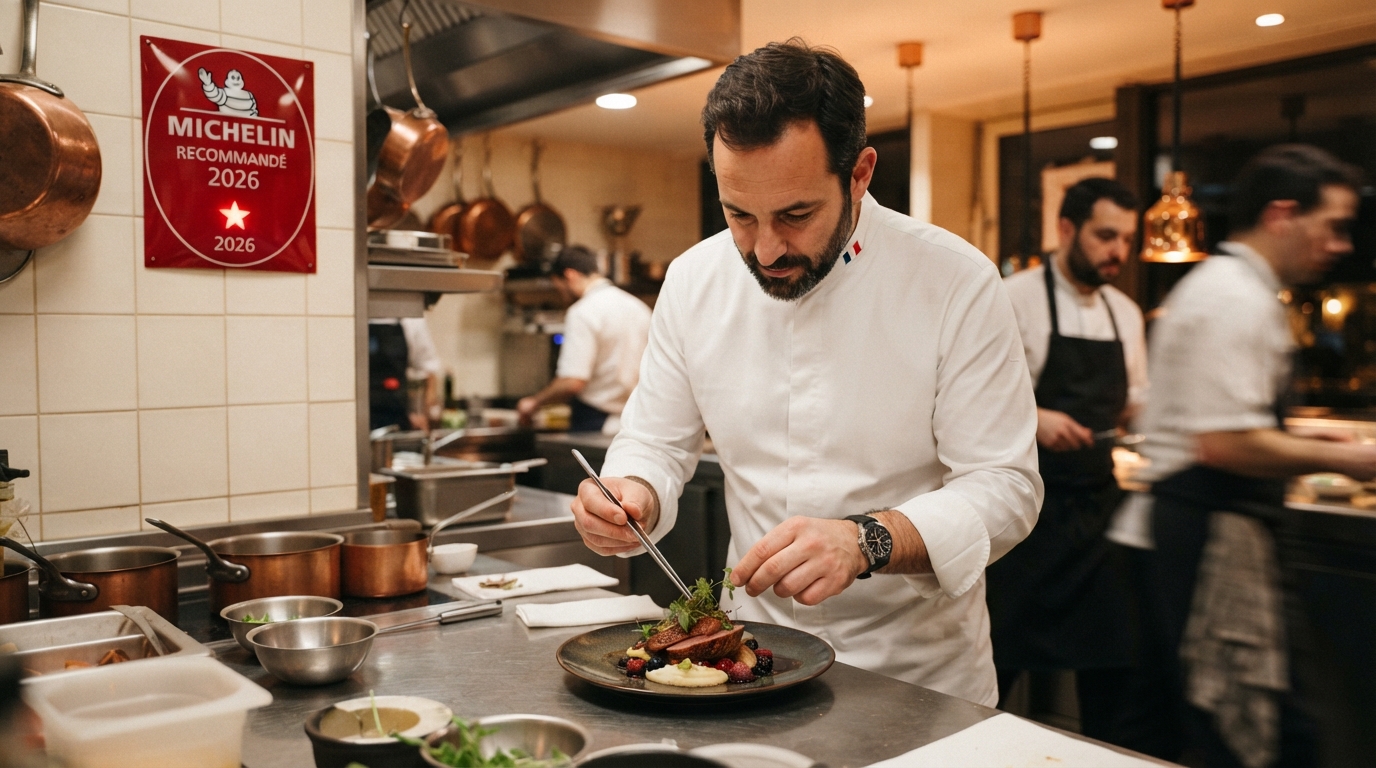
In 2026, nearly half of consumers say “food tastes authentic” is their top reason for choosing where to eat, which changes how we look at both Michelin Stars and local gems. The real question is not which label sounds more impressive, but which experience feels honest, personal, and worth your time.
Key Takeaways
| What people want in 2026 | How to use Michelin vs local |
|---|---|
| Authenticity over prestige | Treat Michelin Stars as a starting point, then verify what feels local and lived-in. |
| Consistency matters | Starred dining often delivers reliability, which helps when you want a dependable meal. |
| Budget reality | Compare the full meal cost, not just the “special” item you noticed. |
| Discovery is a behavior | Look beyond the obvious picks and check what locals actually repeat. |
| Planning beats guessing | Use Michelin Guide selection lists for a shortlist, then compare with neighborhood options. |
- When you want certainty: Michelin Stars are built for consistent excellence in 2026.
- When you want story: local gems often win with a sense of place, regulars, and chef personality.
- When you want value: local gems can deliver “wow” without the full premium.
- When you travel for food: pair starred addresses with street-level options from trusted local guides like Local Gem Guide.
- When you’re building a trip list: start broad using VYMaps, then narrow by your authenticity checklist.
Why Michelin Stars feel “safe” in 2026, and why that matters
Michelin Stars vs local gems is really a choice between two kinds of trust. Michelin asks reviewers to compare across many restaurants, so in 2026 it often feels like a known quality floor.
But “safe” is not the same as “authentic.” A starred restaurant can absolutely be local, seasonal, and rooted in its community, yet the experience you remember might still depend on what the kitchen is expressing that week, the dining room energy, and how you connect with the food.
When we recommend Michelin as a starting point, we mean it like this: build your shortlist with guidance designed to reduce guesswork, then check for signals of authenticity that extend beyond the star. In 2026, those signals usually show up in the details.
What to look for at a Michelin-starred restaurant
- Seasonal menu behavior: Does the menu read like it belongs to the area right now?
- Ingredients with clear provenance: Are there references to farms, fisheries, or local makers?
- Owner and staff rhythm: Are you seeing the same people who clearly care about how the room works?
- Room-to-neighborhood fit: Does the atmosphere feel designed for the city, or imported for visitors?
Michelin can guide you toward great cooking, but authenticity is something you can confirm through observation once you arrive. That is where local gems often have an advantage, because their identity is usually tied to the block, not the guide.
What “local gems” actually mean when you’re hunting authenticity in 2026
Local gems are not just “good food that is not famous.” In 2026, we see local gems win when they offer a consistent sense of place, where the menu and service reflect the neighborhood’s habits and tastes.
Sometimes that looks like a family-run spot that has served the same comfort dish for decades. Other times it looks like a chef-led dining room that is new, but still deeply specific, using local producers and a style that makes sense for the community it serves.
Authenticity checklist for local dining
- Regulars at normal times: You notice who comes back, not only who posts.
- Menu language: Descriptions that explain technique, ingredients, or culture feel more “real” than vague labels.
- Flavor consistency: Even if the dish lineup changes, the style stays coherent.
- Owner involvement: When the person shaping the food cares about the room, it shows.
- Value that feels fair: Pricing is not a mystery, it aligns with what you actually get.
In other words, local gems often do not need a badge because their identity is already visible. The challenge is finding them quickly, especially when you are traveling or planning around limited time.
That is why we like pairing approaches in 2026: use Michelin as a dependable shortlist and then add local gems as the “authenticity layer” that makes the trip feel lived-in.
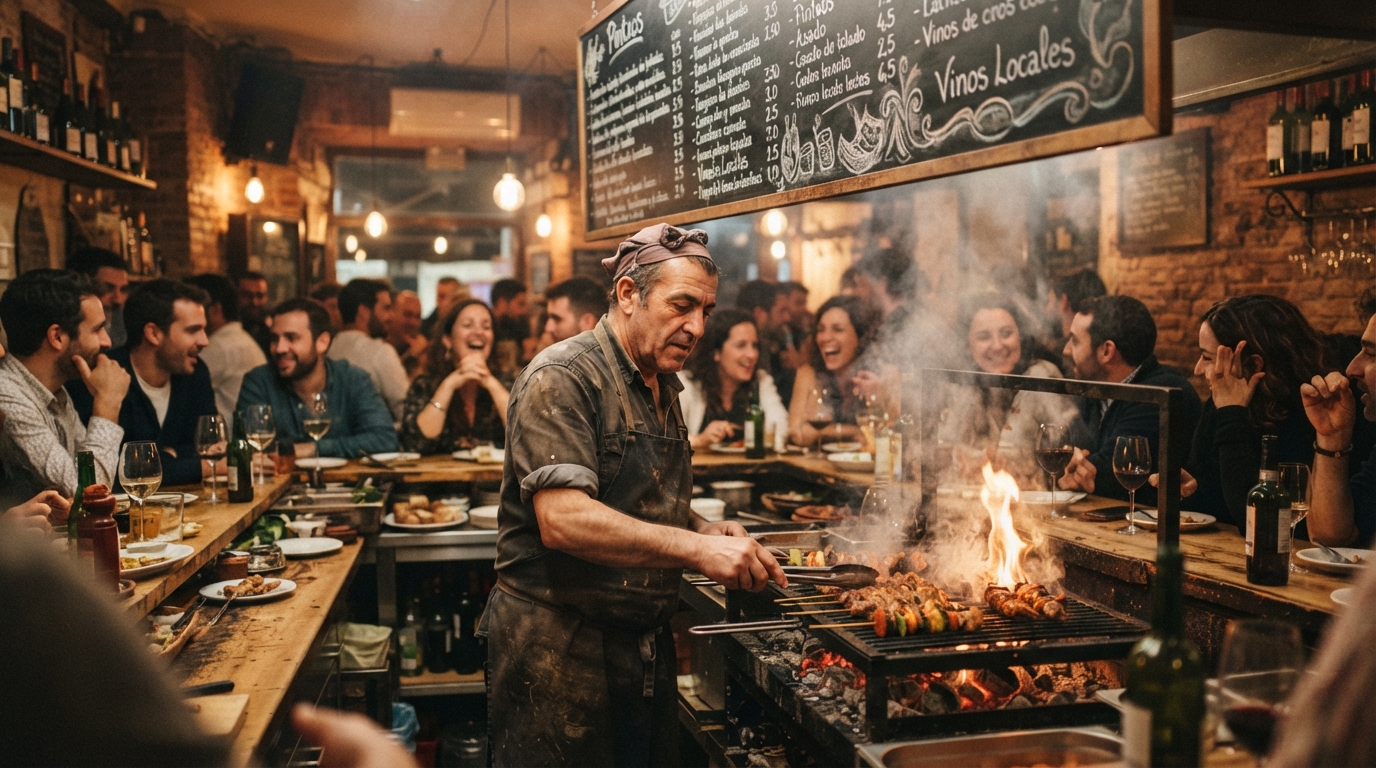
How Michelin recognition can change the experience, for better and worse
Here is the tension in Michelin Stars vs local gems: recognition can bring more guests, more attention, and more money. In 2026, that can fund better ingredients and improved service, but it can also pressure a kitchen to “stay the same” instead of evolving naturally with the neighborhood.
So we treat Michelin recognition as a variable, not a guarantee. The right move is to look for signs of careful growth, not just increased popularity.
Signs Michelin has helped without harming authenticity
- The menu still reflects local seasons, not only trend ingredients.
- Service becomes smoother, but does not feel robotic.
- Prices rise slowly, with clear alignment between cost and quality.
- The room keeps its identity, including music, pacing, and staff personality.
Signs the star has shifted the focus
- Everything feels “performance-driven” rather than ingredient-driven.
- Local references disappear and menus become generic.
- Portions and pacing change in ways that do not match what the restaurant used to do best.
We do not say this to scare anyone off. We say it because authenticity in 2026 is about whether the restaurant still feels like itself after the buzz arrives.
Comparing costs in 2026: tasting menus, extras, and the real bill
Cost is where many people discover a mismatch between expectations and reality. Michelin Stars vs local gems is often framed as “premium versus affordable,” but the more useful framing is “what is the premium paying for?”
In 2026, tasting menus at Michelin-starred restaurants average around 179 USD worldwide, which helps explain why local gems can feel more attainable. Yet the final bill depends on drinks, add-ons, service pace, and whether the experience is structured around multiple courses.
Simple ways to compare without getting misled
- Compare total courses, not headlines: A “small” menu can still be a full meal with supplements.
- Include drinks and service style: Some places lean into beverage pairings, others do not.
- Ask what is “optional”: If you feel pressured into extras, the “headline price” is not the true price.
- Look at portion logic: Local gems can be cheaper while still feeling generous in a single dish.
If your goal is authenticity in 2026, the best value is the meal that matches your taste, your schedule, and the kind of story you want to leave with.
Where to start your hunt: Michelin lists plus local discovery
We like building a plan in two passes. First, we use Michelin’s structured selections to reduce risk. Then we add local gems to bring personality and place into the itinerary.
If you are traveling and want Michelin-starred options in a specific region, we suggest starting with curated pages like California Michelin-starred restaurants for 2026.
For people who want the trip to feel like more than a checklist, Michelin also shares food-focused travel inspiration, such as best places to travel in 2026 for food lovers. This helps you map the food culture around the places you will actually visit.
Build a balanced 2026 itinerary in minutes
- Pick 1 Michelin meal for consistency and craft you can compare across visits.
- Pick 2 local gems for authenticity, comfort, and “how locals eat.”
- Reserve one flexible slot that you choose based on where you end up walking.
- Keep one dish as your test, like a noodle bowl or a seasonal fish plate, so you can measure style.
When you do this, Michelin Stars vs local gems becomes less of a debate and more of a method. We get structure, then we get truth.
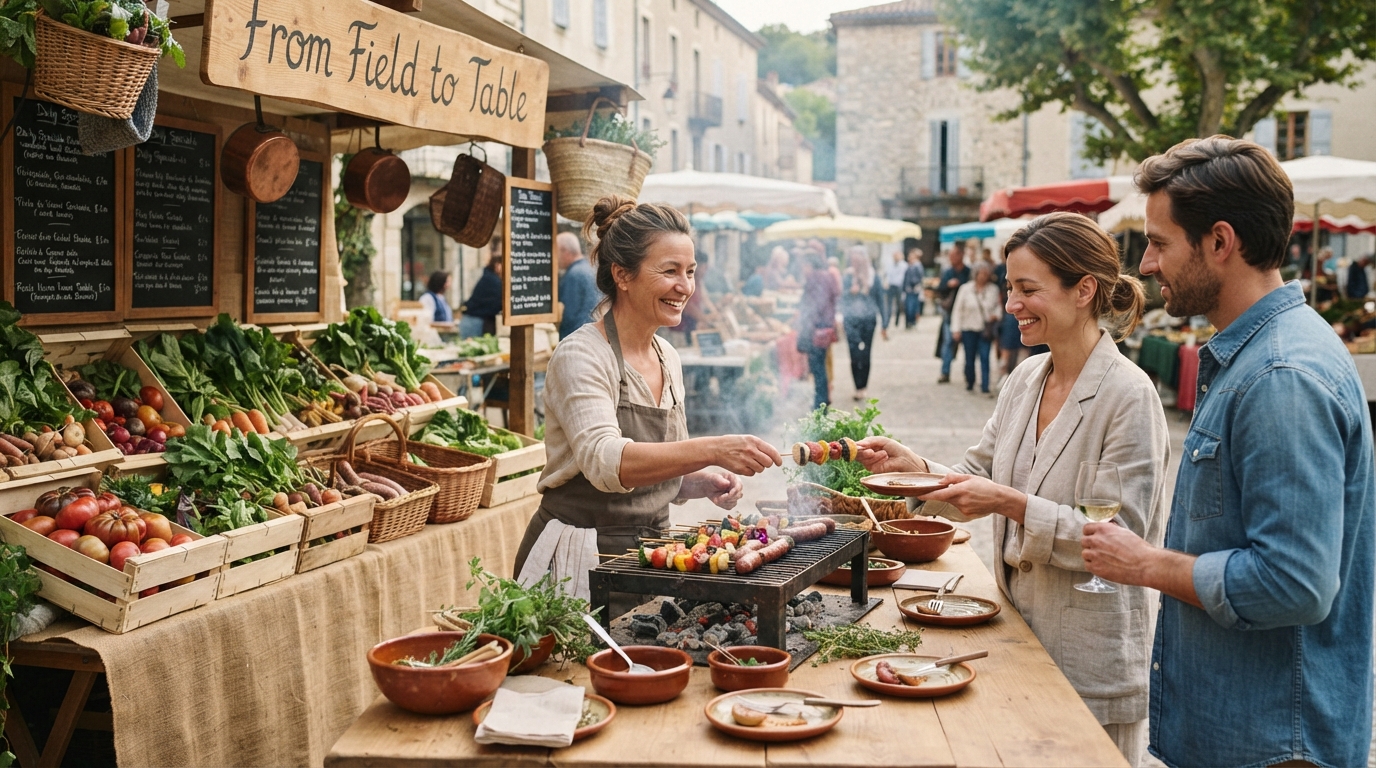
Exclusive small-format dining: the “local” feel inside some Michelin experiences
One of the most interesting 2026 shifts is that some high-end places are getting smaller, more intimate, and more chef-focused. That can blur the lines between Michelin Stars vs local gems, because exclusivity often creates a more personal experience.
For example, Forbes highlights Corridor 109 in Los Angeles as a newly Michelin-starred restaurant with an 11-seat counter setup, a format that can feel close to neighborhood dining even while delivering star-level craft. If you care about authenticity, a counter experience can be a good sign because it encourages attention to the guest, not just the dining room.
If you want to see how new recognition is rolling into 2026, Michelin also publishes selection updates, including California 2026 Michelin Guide selection. Use those updates to spot restaurants that feel current and intentional, not just famous.
How we recommend choosing in 2026, step by step
When we help people decide between Michelin Stars vs local gems, we start with their intent. In 2026, you usually have one of two goals, either a high-confidence craftsmanship night or a true local-food story night.
Then we apply a simple method that keeps decisions grounded.
Step 1: Choose your “primary emotion”
- Craft and precision: lean toward Michelin Stars.
- Comfort and belonging: lean toward local gems.
- Both: schedule Michelin first, then end with a local gem that feels like a celebration of the neighborhood.
Step 2: Confirm authenticity using observable cues
- Ask questions that insiders answer well: “What do you recommend right now?” and “What is most seasonal today?”
- Watch for consistency: Authenticity is stable even when menus rotate.
- Check whether the restaurant understands its own audience: Locals and visitors often want different things.
Step 3: Decide how much novelty you can handle
Some starred restaurants offer tasting journeys that feel adventurous, and some local gems offer exactly the familiar dish you were craving. In 2026, the best authenticity is the version you can actually enjoy, not the version you feel obligated to try.
That is why we encourage flexibility, especially if you are also using discovery tools like Local Gem Guide to capture neighborhood favorites.
Image help: a quick visual reminder of how curated “star” lists work
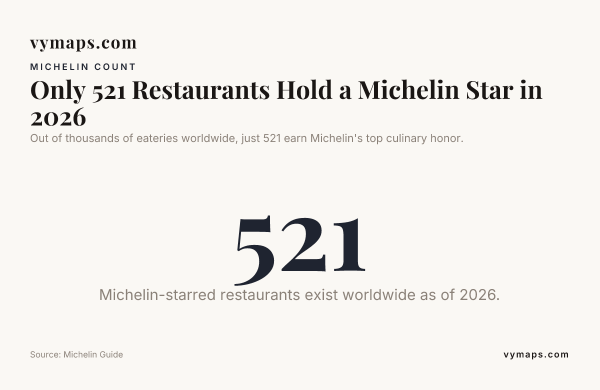
Out of thousands of eateries worldwide, just 521 earn Michelin's top culinary honor.
This kind of number is useful because it reframes “what a star means.” In 2026, the star is selective by design, so it works best when we use it as a starting point rather than the final word on authenticity.
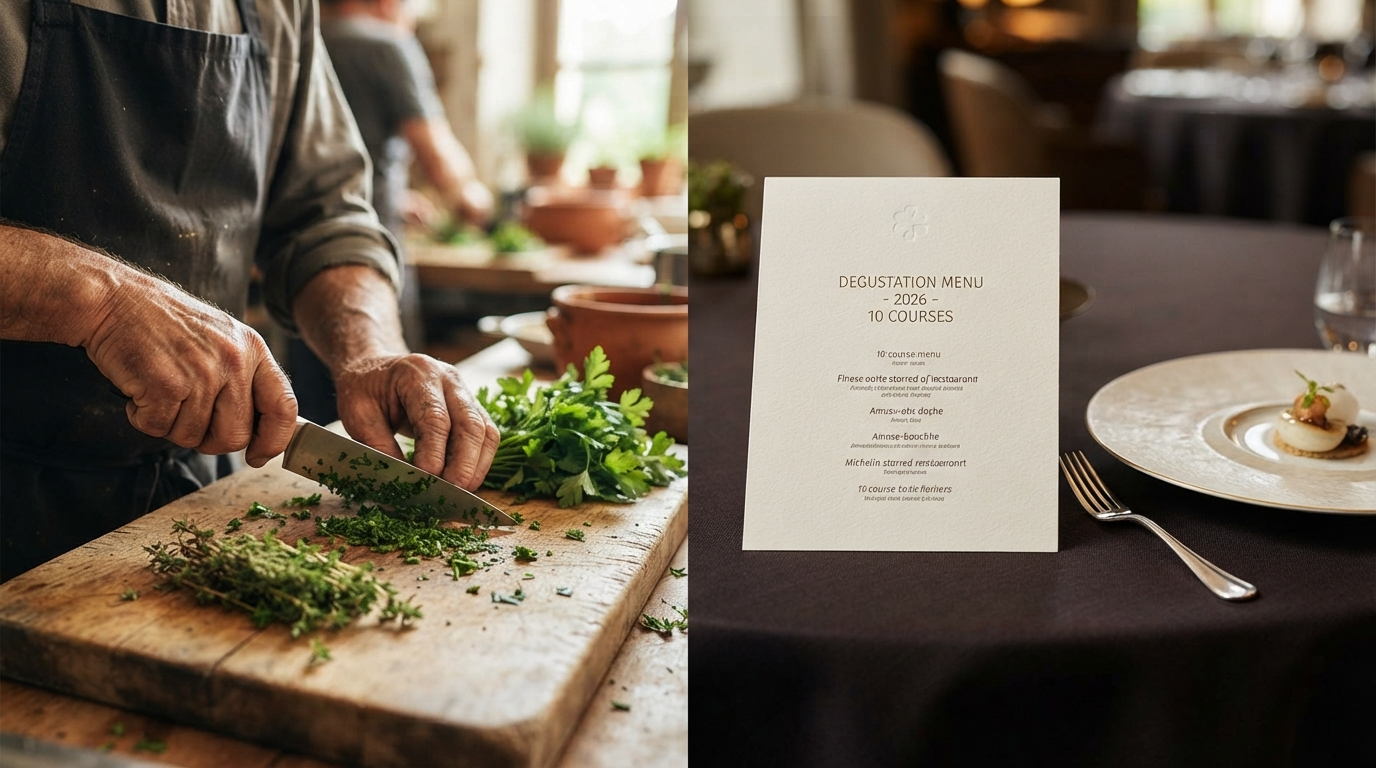
Frequently choosing right: Michelin Stars vs Local Gems in one balanced rule
Here is the rule we keep coming back to in 2026. Michelin Stars vs local gems works best when you decide what you want more of, then you choose the restaurant that can deliver it.
- If you want consistent excellence: pick Michelin Stars, but check the room and the menu for local cues.
- If you want authenticity: prioritize local gems, but use Michelin or structured lists to avoid dead ends.
- If you want both: book one starred meal and build the rest around local favorites.
Done this way, you do not have to “pick a side.” You get craft, you get place, and you get the kind of meal you can talk about later because it felt true.
Conclusion
In 2026, Michelin Stars vs Local Gems: Finding Authenticity in 2026 is less about prestige and more about aligning the experience with what you value. Michelin Stars can reduce risk and signal craft, while local gems often deliver the sense of place that makes food feel honest.
Use Michelin as your shortlist, use local gems as your authenticity layer, and validate the experience with the cues you can observe in the moment. When we do that, the debate becomes unnecessary, because your meals will already tell you which one feels real.
Frequently Asked Questions
Is a Michelin Star worth it in 2026 if I care about authenticity?
Often, yes, but not automatically. In Michelin Stars vs Local Gems: Finding Authenticity in 2026, the star is a useful starting point, then you confirm authenticity through local menu cues, staff rhythm, and how the restaurant expresses its neighborhood.
How can I find local gems in 2026 without wasting money?
We suggest using Michelin lists to create a safe shortlist, then add local gems as the “place-based” picks that complete the story. In practice, choose restaurants with clear menu language, visible regulars, and value that matches the portion and service you experience.
What’s the real price difference between Michelin-starred tasting menus and local options in 2026?
In 2026, average Michelin tasting menus are around 179 USD worldwide, but the final bill depends on drinks, course structure, and whether add-ons are encouraged. Local gems can cost less while still delivering strong authenticity, especially when you order dishes that match local preferences.
Can Michelin recognition change a restaurant’s authenticity in 2026?
It can, because recognition can change demand, pacing, and how the kitchen chooses to evolve. The key in Michelin Stars vs Local Gems: Finding Authenticity in 2026 is to look for stability in seasonality, ingredient choices, and room identity after the buzz arrives.
Are small counter or intimate Michelin experiences more “local” in 2026?
They often can be, because an intimate format creates a more personal relationship with the guest and a tighter focus on the food. Forbes notes Corridor 109 as an 11-seat counter example, showing how Michelin-level cooking can still feel close-up and human.
What should I prioritize if I only have one dinner in a new city in 2026?
Choose your primary emotion first. If you want consistent craft, pick a Michelin-starred meal, and if you want authenticity, balance it with a local gem option you can validate by the menu, the room, and the regulars you see.
About the Author:
 Jopie Liputra is an avid traveler and passionate explorer who loves discovering new places and cultures. When not traveling, Jopie dives deep into travel blogs and official resources to uncover hidden gems and the best things to do in destinations around the world. His articles are a blend of personal experience and meticulous research, perfect for inspiring your next adventure. Connect with Jopie on LinkedIn.
No comments yet. Be the first to add a review.