About
Location :
Added by Jopie, at 07 October 2012
Opening Hours
- Monday 9:00 AM – 5:00 PM
- Tuesday Open 24 hours
- Wednesday Open 24 hours
- Thursday Open 24 hours
- Friday Open 24 hours
- Saturday Open 24 hours
- Sunday Open 24 hours
Gallery


Add missing information
11 Reviews
-
24 May 2018
The museum consists of only the 1963 earthquake and a few boring archeological stuff.
response / report this review -
25 March 2018
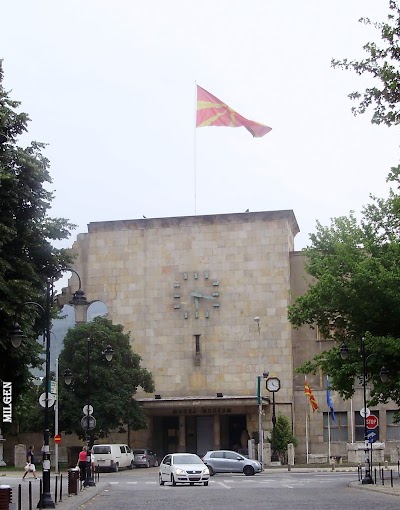
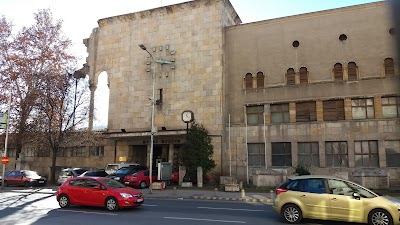
Nice museum in old railway station which was partly demolished in 1963 earthquake. Just a right wing is available, the rest is demolished. Inside are just 4 rooms, 1st is some necklaces and so, second is dedicated to 1st elevator in Skopje from beginning of the 20st century and you can also step into the elevator, which is nice. Secondly the ground floor is from period before Christ. 3rd room is dedicated to earthquake, which is really nice and detailed with pictures and newspapers from that time from all round the world. 4th room is empty dedicated to some art, which is not there. Entry is free! Overal nice, but building need reconstruction soon.
response / report this review -
16 February 2018
If you're a tourist visiting Skopje, you have to visit the Skopje museum. It's well worth the visit.
response / report this review -
25 August 2017
In august 2017 was not yet completed. Few interesting things. Ideal for half hour in a rainy day if you're not from Macedonia
response / report this review -
21 August 2017
Really interesting museum to know about Skopje's history after the earthquake. Free entrance and the guide was very kind with us explaining all the things.
response / report this review -
14 May 2017
Very interesting exhibition about the 1963 earthquake. Small museum
response / report this review -
20 March 2017
Worth a visit! Doesn't look inviting from the outside but definitely worth checking out!! No admission fee :-)
response / report this review -
28 February 2017
Nice space but needs menagment with ideas
response / report this review -
07 August 2016
Monkeydonians
response / report this review -
20 November 2015
So much history in one place. Clock that stopped working during an earthquake still reminds of a fragile past that shook up this little nation.
response / report this review -
14 October 2012
Located inside what’s left of the old train station, City Museum currently features two small collections on two floors.
At ground level, the museum offers the briefest of insights into life in the city before WWII. Exhibits include costumes, photographs and
personal possessions from a number of Macedonian minorities including Jews, Albanians, Gypsies, Serbs and Vlachs.
Down the stairs there are few dimly lit cases showcasing some fine examples of ancient bits and bobs dug up in the vicinity.
The pride of the museum is the 6000-year-old, 15cm-high clay “Adam from Govrlevo” statue, which was discovered in 2000 and put on display here in later 2006. The statue is ranked among the world’s top 10 Neolithic artefacts, as it is perhaps the earliest representation of a human figure - with ribs, spine, belly button and a regrettably chopped-off erection.response / report this review