About
Location :
Added by Jopie, at 20 November 2016
Gallery




Add missing information
14 Reviews
-
11 October 2019
Neelagiri Maha Thero hiding in the middle of the Maha
Recently the name Neelagiri Maha Seya was heard in the media. The reason is that archaeological excavations have begun. From Lahugala in the middle of the A-4 road from Siyambalanduwa to Pottuvil, turn right. 4.2km to cross over Hada Oya 1.8km through the jungle. It has a circumference of 1200 feet.
Located in the middle of the jungle, only a few elderly people knew Lahugala. In 1972, the brick wall was rebuilt to a height of 20 feet and 100 feet without any archaeological excavation and the acquisition of the land by the Department of Archeology and without preparation of estimates. No details are known about this.
Back in 2004, a group called Karunaratne of the Eastern Buddhist Renaissance and a group of Buddhist monks of the Lahugala Magul Maha Vihara, Ven. It was a journey of study and exploration. Then, with the assistance of the STF, searches were carried out for 7-8 km. It appeared that there was a city with temples and palaces like Anuradhapura.
The history of the Neelagiri Saya dates back to the pre-Christian era and the complex ruins of the surrounding temples suggest that it was a sacred place for the Maha Sangha.
During the excavation, Professor Raj Somadeva of the Postgraduate Institute of Archeology at the University of Kelaniya and two others uncovered two unwritten inscriptions. According to a inscription inscribed in the Western Brahmi script, Maharajini who had been hiding so far in history has revealed that there was a queen named Chula Sewali Devi-samila and that the Chaitya now known as Neela Giri was the Uththara Sewali Pabbatha.
Prior to the birth of the concept of the Three Sinhalese, the river from the Mahaweli river was known as the Rajarata of the North, the Ruhunu (South of the South) and the mountains as the Malaya Rata. The Neelagiri Hela and Neelagiri Chaitya located in Lahugala in the present-day Ampara district of the central Ruhuna country are widely spoken of by scholars as the largest Chaitya in the Eastern Province of Sri Lanka.
Excavations of a Buddhist shrine spanning 36 hectares (89 acres) have been uncovered from the circumference of the stupa, 355 meters to the north, 268 meters to the south, 348 meters to the east and 198 meters to the west.
Prof. Somadeva says that this Vihara complex is a complete monastery complex consisting of a Uposathagara, Bhikkhu Ahava, Statues and Houses. The temple complex has a natural water body in the north and a natural rock in the south. The construction of the rock temple in Talawa was done using simple technology.
A large number of sacred stones have been found from the ground where the stupa is located.
Lahugala is an ancient city near the capital city of the Magam kingdom in Ruhuna, Ruhuna. Prof. Raj Somadeva, who says that this historic place and the city is protected by nature, should be protected in the future by nature.
In the case of the Neelagiri Seya, the stone quarry known as the pillow masonry is unique. This is because it contains the only inscription found in the history of the Neelagiri Saya.
According to archaeologists, when was the Neelagiri Stupa built and who was the King who built it? The details have not yet been revealed. Nevertheless, a stone inscription in Brahmi script, about 200 m away from the pillow, provides strong evidence. It is said that Chula Shiva Devi, the queen of King Bhatibhabaya Tissa (22 BC - 07 BC), made a sacrifice to the 'Uththara Sewali Pabbatha Vihara' and paid tax to the temple. . Dr. Nimal Perera says that this means that Neelagiri Seya was in existence during the reign of King Bhatikabhaya Tissa. According to archaeological officials, the name of the Neelagiri Stupa is the Sivali Pabbatha Vihara in Uttara. According to history, Bhatikabhaya Tissa was a king who had many foreign relations. Exotic artefacts such as 'Kannelian beads' have been found in the Neelagiri Seya. Was Neelagiri Stupa originally made by King Mahanaga, or was Bhatikabhaya a King Tissa? It's a curious thing to go.
In the midst of a wilresponse / report this review -
10 October 2019
Very old historical Buddhist stupa. Do really like the surrounding nature. Very calm and quiet.
response / report this review -
20 July 2019
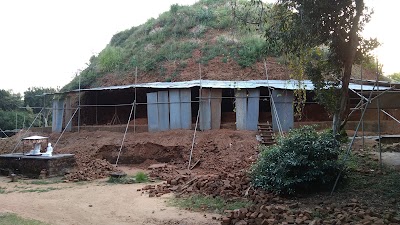
You need to walk about 0.5 km to see the stupa from last check point. Accessible through bike, van, bus etc. Bit of rough terrain so for cars specially aquas/fits , it might be difficult. Re- instructions are on going. Take drinking water with you. Also there are family of stray dogs, so take some food, biscuits for them too as they are very skinny.
response / report this review -
20 July 2019
To reach this Dagaba we have to walk for sometimeAlthough this dagaba has obsolete now it imply that it had been a massive and very sacred valuable place.
Even for today Neelagiri says is the largest Buddhist Stupak in the Eastern province. After the terrorists were crushed, the restoration of this stupa was initiated again in 2011. During this work, two previously unknown inscriptions have been found.
One belongs to the 1 st century which describe a donation by the Maharaajinee Chula Sivalee Queen, daughter of the King Bhatikabaya ( 20 B.C. - 9 AC ).
The second inscription states about the donation made by the King Jettatissa. ( 266-276 ).
It is our utmost responsibility to protect these treasure.response / report this review -
05 July 2019
This is a huge stupa in Sri Lanka. It has been covered with forest for long time. Also this site will be another era like Anuradhapura and Polonnaruwa.
response / report this review -
05 May 2018
Very beautiful place
response / report this review -
19 April 2018
This is our proudly ancient budist monastery
response / report this review -
30 March 2018
Neelagiriseya (Sinhalaː නීලගිරිසෑය) is an ancient colossal Stupa situated in Lahugala, Ampara District, Sri Lanka. It is the largest Buddhist Stupa in the Eastern Province of the country. It has a circumference of 182 m (597 ft) and 22 m (72 ft) height in the current status.
Neelagiriseya is believed to be built by either King Kavan Tissa (205–161 BC) or King Bhathikabaya (20-9 BC) and has been called as Uttara Seevali Pabbata Viharaya in ancient times. According to an inscription belongs to the 1st century, found during the archaeological excavations done in 2011, describes about a grant to the temple by the Maharaajinee Chula Sivalee Queen, a daughter of the King Bhatikabaya. In historical resources Bhatikabaya is described as a viceroy, who reigned in Ruhunawhen King Kutakanna Tissa (42-20 BC) was ruling the country. Another inscription recovered from the site in 2011 excavation, also reveals about donations made by king Jettatissa I (263-273) or by the King Jettatissa II (328-337 CE).response / report this review -
25 January 2018
Historical place, nobody paid attention until recent archeological activities trying to rebuild the dagabo
response / report this review -
23 November 2017
Proud Heritage
response / report this review -
09 September 2017
Very old Buddhist temple in eastern province near by lahugala.you can see some elephants on the way to temple.
response / report this review -
05 July 2017
නීලඟිරිය නම් ලත් ස්ථාන කීපයක් ලංකාව පුරාම වෙයි. ඉඟිණියාගලට ඉහලින් පිහිටි නිල්ගල, මොනරාගල දොඹගහවෙල නීලවබැද්දේ පිහිටි ස්ථානය ඒ අතරින් විශේෂය. නමුත් නීලඟිරි මහා සෑය ඒ සියලුම ස්ථාන වලට වඩා අතිශයින්ම වැදගත් වන බෞද්ධ පූජනීය භූමියකි.
මෙම ස්ථානය පිහිටියේ ලාහුගලට ඉතා ආසන්නයට වන්නටය. මෙම ස්ථානය පිළිඹඳ මුලම සටහනක් තබා ඇත්තේ හිටපු පුරාවිද්යඥ ඒ. ඇම්. හෝකට් මහතාය. මොනරාගල - පොතුවිල් මාර්ගයේ 10 ලාහුගල කඩමන්ඩියට මෙපිටින් කිතුලාන වැව අසලින් දකුණු අතට දිවෙන මාර්ගයක් ඔස්සේ කි. මි. 4ක් පමණ පැමිණි විට මෙම පුදබිමට පැමිණිය හැක. වර්ථමාණය වන විට අතරමගදී හමුවන හැඩඔයෙන් එගොඩවීමට අලුතින් පාලමක්ද ඉදිකොට ඇත.
මුල් යුගයන්හීදි මෙම චෛත්ය අඩි 130 ක් පමණ උසට දර්ශණය වූ අතර නිදන්හොරුන් හාරා සම්පූර්ණ පරීක්ෂා කොට තිබිණි. චෛත්යයේ ස්වභාවයට අනුව ඒය වට අඩි 1000ක් පමණ වෙයි. සමස්ථයක් ලෙස ස්ථුපය කොටස් දෙකකින් නිමවූ බව පෙනෙයි. පැරණි යූපස්ථම්භයේ කොටසක් පෙරලී ඇත. ඡ්ත්ර ගලේ ඇතැම්කොටස් සෑය මතත්, විශාල කොටසක් පහලට පෙරලීත් පැවැතී ඇත. විසිර ඇති ශේෂ අනුව චෛත්ය වටා ප්රාකාරයක් පැවතී ඇත. ස්ථාන කීපයකම නටඹුන් ගොඩනැගිලි පවතී. මේවා සමහරක පැරණිම යුගයන්ට අයත් චාම් ගල් කණු දක්නට ලැබෙයි.
ප්රදේෂයේ ජනතාවගේ ප්රවාදයක් අනුව මෙම ස්ථුපය අනුරාධපුර රාජධානියේ රජකම් කළ සූරතිස්ස රජු විසින් ඉදිකොට ඇත. එය එසේ නම් මෙහි ඉතිහාසය දේවානම්පියතිස්ස රජසමය දක්වා දිව යයි. සූරතිස්ස රජු හා අතීත රෝහණ රාජ්ය පිළිඹඳ සඳහන්ක් වංශ කතාවල නොතිඹුනත් "අයශුරතිස" නම් කෙනෙක් ගැන රෝහණය උතුරු කොටසේ බ්රාහ්මීය සෙල්ලිපියකින් කරුණු අනාවරණය වෙයි. ඉතිහාසඥ පූජ්ය හාන්දුපැල්පොල පුඤ්ඤරතන හිමියෝ මෙම ස්ථානය වංශකථාවල එන නුග්ගලචේතිය යැයි මත පල කරයි. එය සනාත කිරීමට හෝ නිශේද කිරීමට සාධක නැතත්, මේ එම ස්ථානයම නම්,
කාවන්තිස්ස මහ රජතුමා නුග්ගලචේතිය ඉදිකරවා උත්සව පවත්වා මහා සංඝයා රැස්කරවා දන් දී අවසන දශමහා යෝධයන් කැඳවා ගැමුණු - තිස්ස කුමාරවරු අතර සටනක් වුවහොත් ඒක් පසක්වත් නොගතයුතු බවට ගිවිසගත් ස්ථානය සේ මහාවංශයේ සඳහන් ස්ථානය මෙයම වෙයි.
වර්ථමානය වන විට පුරාවිද්යා දෙපාර්තමේන්තුව මෙම ස්ථානයේ සංරක්ෂණ කටයුතු සිදුකරමින් පවතී.
උපුටා ගැනීම් - නැගෙනහිර පළාත හා උතුරු පළාතේ සිංහල බෞද්ධ උරුමය - පූජ්ය එල්ලාවල මේධානන්ද හිමි.response / report this review -
01 April 2017
Ancient buddhist temple complex in eastern province.
response / report this review -
27 November 2016
One of the largest ancient buddhist structure in the eastern province of sri lanka.
response / report this review