About
Location :
Added by Jopie, at 15 April 2010
Gallery

Add missing information
20 Reviews
-
08 October 2019
Una de las mejores vistas de la ciudad. Si vas caminando es un poco empinada la subida pero vale la pena.
response / report this review -
27 July 2019
Go up, see the city and enjoy a drink or some snacks and the caffe without surrounded with too many tourist.
response / report this review -
01 October 2018
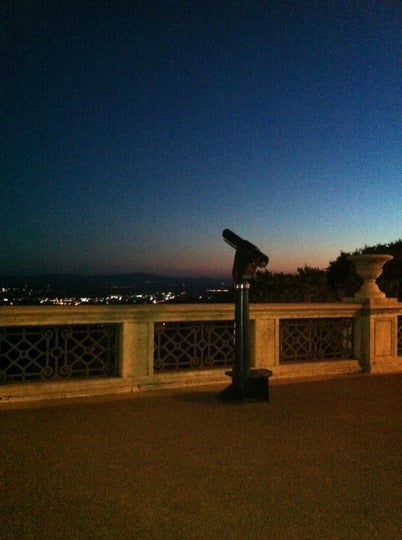
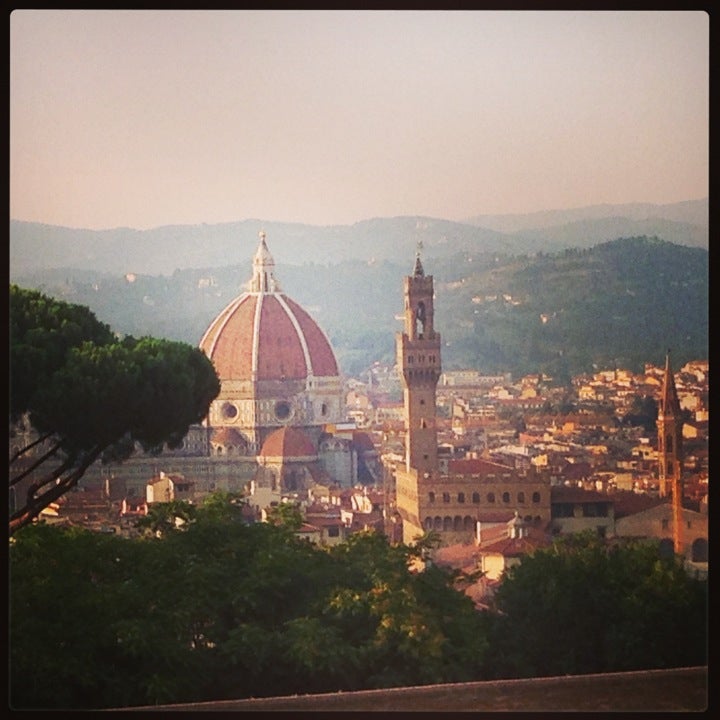
Extraordinary view of the beautiful Firenze (church, bridges, architectures)! Sunset more than magnificent. To have a good place to take a picture, it is better to arrive early! True paradise
response / report this review -
01 October 2018
Vue extraordinaire sur la belle Florence (église, ponts, architectures)! Coucher de soleil plus que magnifique. Pour avoir une bonne place pour prendre une photo, vaut mieux arriver tôt! Vrai paradis
response / report this review -
16 July 2017
Magnificent views, not so crowded and with a nice bar
response / report this review -
14 June 2017
Take water if it is hot. You can reload at few places. Prepare your camera.
response / report this review -
18 October 2016
A much shorter walk than you might think.
response / report this review -
20 September 2016
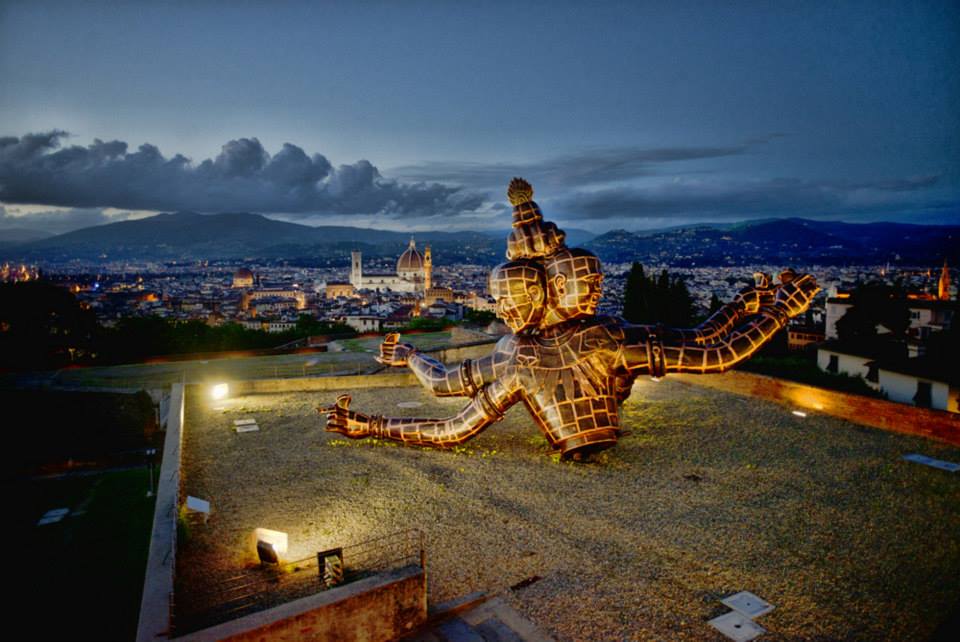
Breathtaking view and interesting expositions
response / report this review -
09 September 2016
Come here just before sunset. This is where the Tuscan sun shows its true colors.
response / report this review -
14 July 2016
Nice view over The city. The tickets can be bought in palazzo pitti.
response / report this review -
16 August 2014
Best panoramic views of Florence
response / report this review -
29 July 2013
Lindas vistas de Florença ;)
response / report this review -
23 July 2013
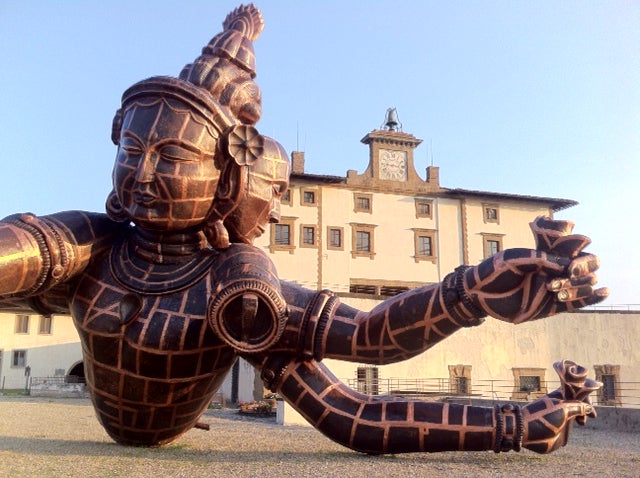
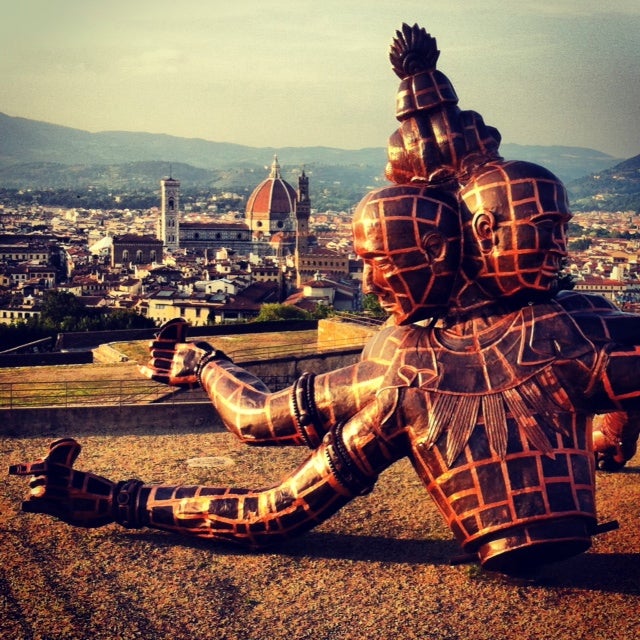
Fino al 13 ottobre 2013 e' aperto con la Mostra Zang Huang, merita la salita.
response / report this review -
15 July 2013
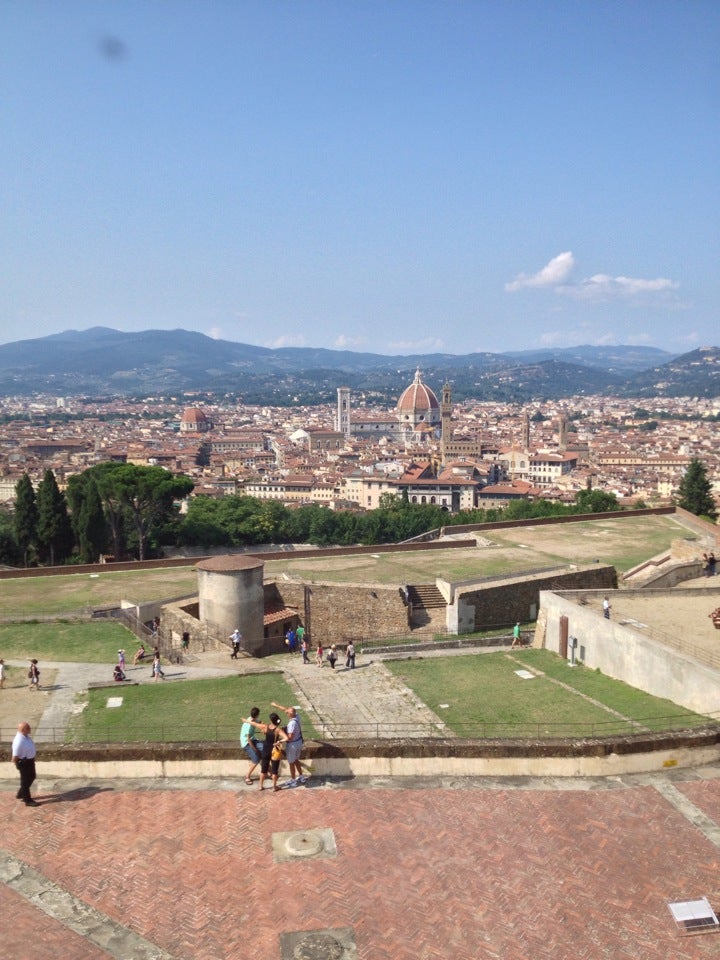
Urban Fortress built between 1590 and 1595 by the Medici, offers one of the most beautiful views of Florence. It has hosted numerous exhibitions of contemporary art. Definitely a must-see of Florence!
response / report this review -
14 November 2012
Forte Belvedere, founded in 1590 and built by Buontalenti, was created to defend the city, to hold the treasury of the Medici family. It was connected to Palazzo Pitti and Palazzo Vecchio.
response / report this review -
09 July 2012
I Giardini di Boboli e le colline di Firenze sono la giusta cornice per realizzare un bel ritratto ambientato.
response / report this review -
01 October 2011
Antico Baluardo sulle Mura Fiorentine.
response / report this review -
22 April 2010
Il Forte di Belvedere è stato edificio militare fino al 1951, quando l’Esercito lo ha ceduto al Comune di Firenze. Dopo i restauri, dal 1955 è stato aperto al pubblico, fino al 1998.
response / report this review -
22 April 2010
Il Forte è a pianta poligonale e al suo centro sorge la palazzina di Belvedere probabilmente progettata da Bartolomeo Ammannati intorno al 1570.
response / report this review -
22 April 2010
Il Forte di San Giorgio, o Forte di Belvedere, fu costruito alla fine del XVI secolo, sotto il granducato di Ferdinando I, e realizzato su disegni di Bernardo Buontalenti e di don Giovanni de’ Medici.
response / report this review