About
Location :
Added by Jopie, at 29 March 2016
Gallery




Add missing information
1 Reviews
-
05 April 2016
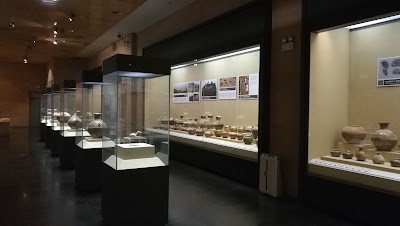
Anji County "Ecology Museum" is an ambitious system of over 40 museums touching upon many aspects of Man and Nature and more. Technically it would be better to call it an Ecomuseum, but of a kind more advanced than those originating in Europe and found elsewhere in China. Whereas 'old' Ecomuseums try to preserve and show the crafts and agriculture of pre-industrial peoples (folk museums), the Anji designer told us he wanted to show the relation of Nature in Anji County to traditional AND modern life: so they show how Bamboo is grown and used in modern manufacturing; Soy beans and the traditional and factory making of Tofu; the history of Beds in a huge bed factory; White tea fields and tea consumption; Paper fans; Folk painting; Ecological agriculture; Mountain villages, in which you follow a path through the fields and woodlots, on so on. All these center on the large central City (Community) Ecomuseum, which includes Geology, Archaeoleogy, History and Urban Developments. Anji County is very ambitious and progressive and has won awards (from UNESCO etc) for it's natural beauty and non-polluting industries.
response / report this review