About
Location :
Added by Jopie, at 24 September 2016
Opening Hours
- Monday 9:00 AM – 5:00 PM
- Tuesday 9:00 AM – 5:00 PM
- Wednesday 9:00 AM – 5:00 PM
- Thursday 9:00 AM – 5:00 PM
- Friday 9:00 AM – 5:00 PM
- Saturday Closed
- Sunday Closed
Gallery




Add missing information
20 Reviews
-
17 April 2018
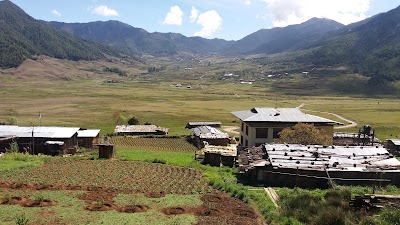
Jigme Dorji National Park, a splendid and refreshing view that meets the eye.
With beautiful Dzong, Buddha statue and clean river with mountain water's. The lush pine forest surrounding and mountain slopes really calms the soul.response / report this review -
06 April 2018
The Jigme Dorji National Park (JDNP),named after the late Jigme Dorji Wangchuck, is the second-largest National Park of Bhutan. It occupies almost the entire Gasa District, as well as the northern areas of Thimphu District, Paro District, Punakha, and Wangdue Phodrang Districts. It was established in 1974 and stretches over an area of 4316 km², thereby spanning all three climate zones of Bhutan, ranging in elevation from 1400 to over 7000 meters. About 6,500 people in 1,000 households live within the park, from subsistence agriculture and animal husbandry. It is listed as a tentative site in Bhutan's Tentative List for UNESCO inclusion.
The park provides sanctuary for 37 known species of mammals including several endangered, threatened or vulnerable species, such as the takin, snow leopard, clouded leopard, Bengal tiger, bharal or Himalayan blue sheep, black musk deer, Himalayan black bear, red panda, Ussuri dhole, and spotted linsang. It is also home to the Indian leopard, serow, sambar, barking deer, goral, marmot, pika and more than 300 species of birds. It is also the only park in Bhutan where the national animal (takin), flower (blue poppy), bird (raven) and tree (cypress) exist together.
Jigme Dorji also contains sites of cultural and economic significance. Mount Jomolhari and Mount Jitchu Drake are worshipped as homes of the local deity. The fortresses of Lingshi Dzong and Gasa Dzong are sites of historical importance. The rivers Mo Chhu, Wangdi Chhu and Pa Chhu have their sources in the glacial lakes located in the park.
Jigme Dorji National Park covers most of northern Gasa District, including the bulk of Lunana and Laya Gewogs. These gewogs are the site of some of the most notable and precarious glaciers of Bhutan. These glaciers have thawed significantly over the course of recorded history, causing lethal and destructive glacial lake outburst floods. Chief among the glaciers and glacial lakes within the park are Thorthormi,[5][6] Luggye,[7] and Teri Kang. As the seasons allow, temporary camps of laborers work within the park to reduce water levels to assuage the threat of flooding downstream.response / report this review -
16 March 2018
Best place to venture on picnics with family
response / report this review -
08 March 2018
The Jigme Dorji National Park (JDNP),[1] named after the late Jigme Dorji Wangchuck, is the second-largest National Park of Bhutan. It occupies almost the entire Gasa District, as well as the northern areas of Thimphu District, Paro District, Punakha, and Wangdue Phodrang Districts. It was established in 1974 and stretches over an area of 4316 km², thereby spanning all three climate zones of Bhutan, ranging in elevation from 1400 to over 7000 meters. About 6,500 people in 1,000 households live within the park, from subsistence agriculture and animal husbandry. It is listed as a tentative site in Bhutan's Tentative List for UNESCO inclusion.The park provides sanctuary for 37 known species of mammals including several endangered, threatened or vulnerable species, such as the takin, snow leopard, clouded leopard, Bengal tiger, bharal or Himalayan blue sheep, black musk deer, Himalayan black bear, red panda, Ussuri dhole, and spotted linsang. It is also home to the Indian leopard, serow, sambar, barking deer, goral, marmot, pika and more than 300 species of birds. It is also the only park in Bhutan where the national animal (takin), flower (blue poppy), bird (raven) and tree (cypress) exist together.Jigme Dorji also contains sites of cultural and economic significance. Mount Jomolhari and Mount Jitchu Drake are worshipped as homes of the local deity. The fortresses of Lingshi Dzong and Gasa Dzong are sites of historical importance. The rivers Mo Chhu, Wangdi Chhu and Pa Chhu have their sources in the glacial lakes located in the park.Jigme Dorji National Park covers most of northern Gasa District, including the bulk of Lunana and Laya Gewogs. These gewogs are the site of some of the most notable and precarious glaciers of Bhutan. These glaciers have thawed significantly over the course of recorded history, causing lethal and destructive glacial lake outburst floods. Chief among the glaciers and glacial lakes within the park are Thorthormi,[5][6] Luggye,[7] and Teri Kang.[8] As the seasons allow, temporary camps of laborers work within the park to reduce water levels to assuage the threat of flooding downstream.
response / report this review -
05 February 2018
Nice place to visit
response / report this review -
30 December 2017
Exceptional value for Bhutan tourism and tourist attractions fill with beauty of hill and forest combination,has excellence.
response / report this review -
23 December 2017
The park provides sanctuary for 37 known species of mammals including several endangered, threatened or vulnerable species, such as the takin, snow leopard, clouded leopard, Bengal tiger, bharal or Himalayan blue sheep, black musk deer, Himalayan black bear, red panda, Ussuri dhole, and spotted linsang. It is also home to the Indian leopard,serow, sambar, barking deer, goral, marmot,pika and more than 300 species of birds. It is also the only park in Bhutan where the national animal (takin), flower (blue poppy), bird (raven) and tree (cypress) exist together
response / report this review -
23 October 2017
Largest national park of bhutan
response / report this review -
06 October 2017
Wow wonderful park good looking
response / report this review -
24 September 2017
Worth visiting place.
response / report this review -
21 July 2017
Splendour and extremely beautiful park where one can get a great view of Tango and Chari.. and great picnic spot
response / report this review -
30 June 2017
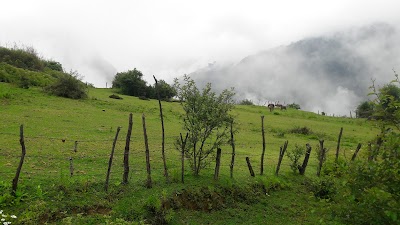
Second largest national park of Bhutan. Beautiful place with lush greenery.
response / report this review -
25 June 2017
Serene nrity about this place makes it very attractive, a must visit place where nrity of nature and religious serenity coexists in abundance.
response / report this review -
21 June 2017
Got to see tiger in this park. Amazing.
response / report this review -
29 May 2017
The Jigme Dorji National Park, named after the late Jigme Dorji Wangchuck, is the second-largest National Park of Bhutan.
response / report this review -
20 April 2017
The park provides sanctuary for 37 known species of mammals including several endangered, threatened or vulnerable species, such as the takin, snow leopard, clouded leopard, Bengal tiger, bharal or Himalayan blue sheep, black musk deer, Himalayan black bear, red panda, Ussuri dhole, and spotted linsang. It is also home to the Indian leopard,serow, sambar, barking deer, goral, marmot,pika and more than 300 species of birds. It is also the only park in Bhutan where the national animal (takin), flower (blue poppy), bird (raven) and tree (cypress) exist together
response / report this review -
26 March 2017
Nice place
response / report this review -
16 December 2016
I love this place
response / report this review -
04 November 2016
I veary love it place
response / report this review -
01 October 2016
It is really a good park and has been my aim to reach here.. this has got lot more interesting things happening around us which makes us to feel like a paradise
This park is unique. It has got something diffeeent than other parks
It has been a place only where bengal tigers meet snow leopards.response / report this review