About
Location :
Added by Bing Lee, at 18 September 2024
Opening Hours
- Monday 8:30 AM–8 PM
- Tuesday 8:30 AM–8 PM
- Wednesday 8:30 AM–8 PM
- Thursday 8:30 AM–8 PM
- Friday 8:30 AM–5 PM
- Saturday 8:30 AM–1 PM
- Sunday closed
Dental Implants Launceston
If you have missing or damaged teeth, it can have a significant impact on both your oral health and general well-being. Left untreated, you can end up with gum disease, your surrounding teeth can become crooked or crowded and you can struggle to bite or chew food. What’s more, it can have a huge impact on your self-esteem, impacting your confidence to smile as you did before.
Whether you are replacing a single tooth, multiple teeth, or a full arch of teeth, dental implants are the perfect solution. By permanently replacing the root of your missing tooth, they create a strong foundation for your replacement teeth. With dental implants, your teeth don’t just look like new, they function perfectly, giving your smile the support it needs for many years to come.
What Are Dental Implants?
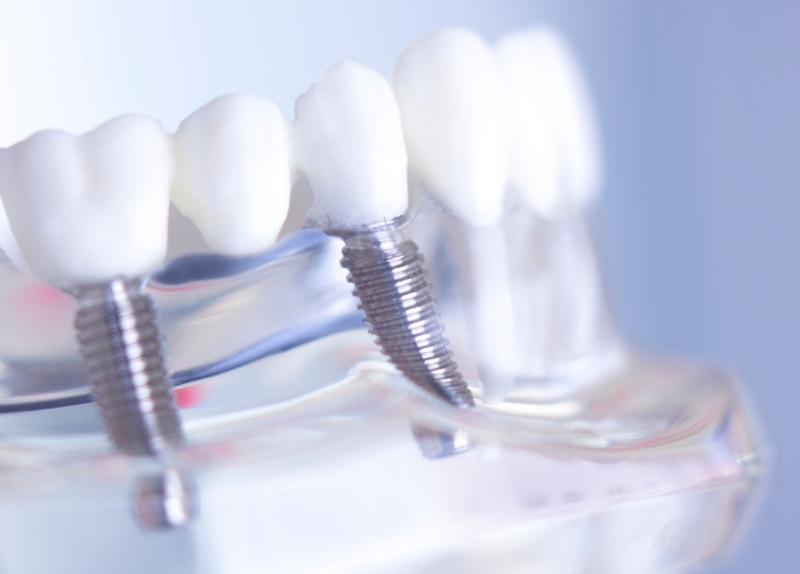
Dental implants are a permanent replacement for missing teeth. The design of a dental implant is similar to a natural tooth and has two key parts:
The root – a titanium screw is placed directly into your jawbone to replace the missing root, sitting securely below the gum line. Once in place, the bone surrounding the implant gradually fuses to it, a process known as osseointegration, holding the implant firmly in place and providing an incredibly stable foundation.
The crown – a crown is created to match the colour and shape of your existing teeth and is then fitted to the top of the titanium screw via an internal screw, known as an abutment. The crown is the visible part of the implant and will look, feel and function just like your natural teeth.
Dental implants are designed to be a permanent solution for missing or damaged teeth and if well looked after, they can last a lifetime.
Who Can Have Dental Implants?
Dental implants are typically suitable for any adult with good general health. They can only be used when the jawbone has stopped growing, which is why they aren’t generally used on younger patients.
However, for an adult to have implants, they need to have enough bone in the jawbone to support and fuse to the implant. In the event that you don’t have enough bone density, additional procedures may be required before the treatment can go ahead. For example, bone grafting can be used to increase the amount of bone in your jaw and is a common preliminary procedure.
Other than bone density, certain medical conditions and lifestyle choices can impact your suitability for dental implant treatment. If you have diabetes or gum disease or you drink or smoke heavily, you may well be at higher risk of implant failure. The risk can often be mitigated by reviewing medication and cutting down or stopping habits, at least temporarily, to give the implanted site a chance to heal. However, each case is different, so the best way to find out if dental implants are suitable for you is to have a full assessment with an experienced implant dentist.
Gallery




Add missing information
Reviews
No reviews yet. Be the first to add a review.